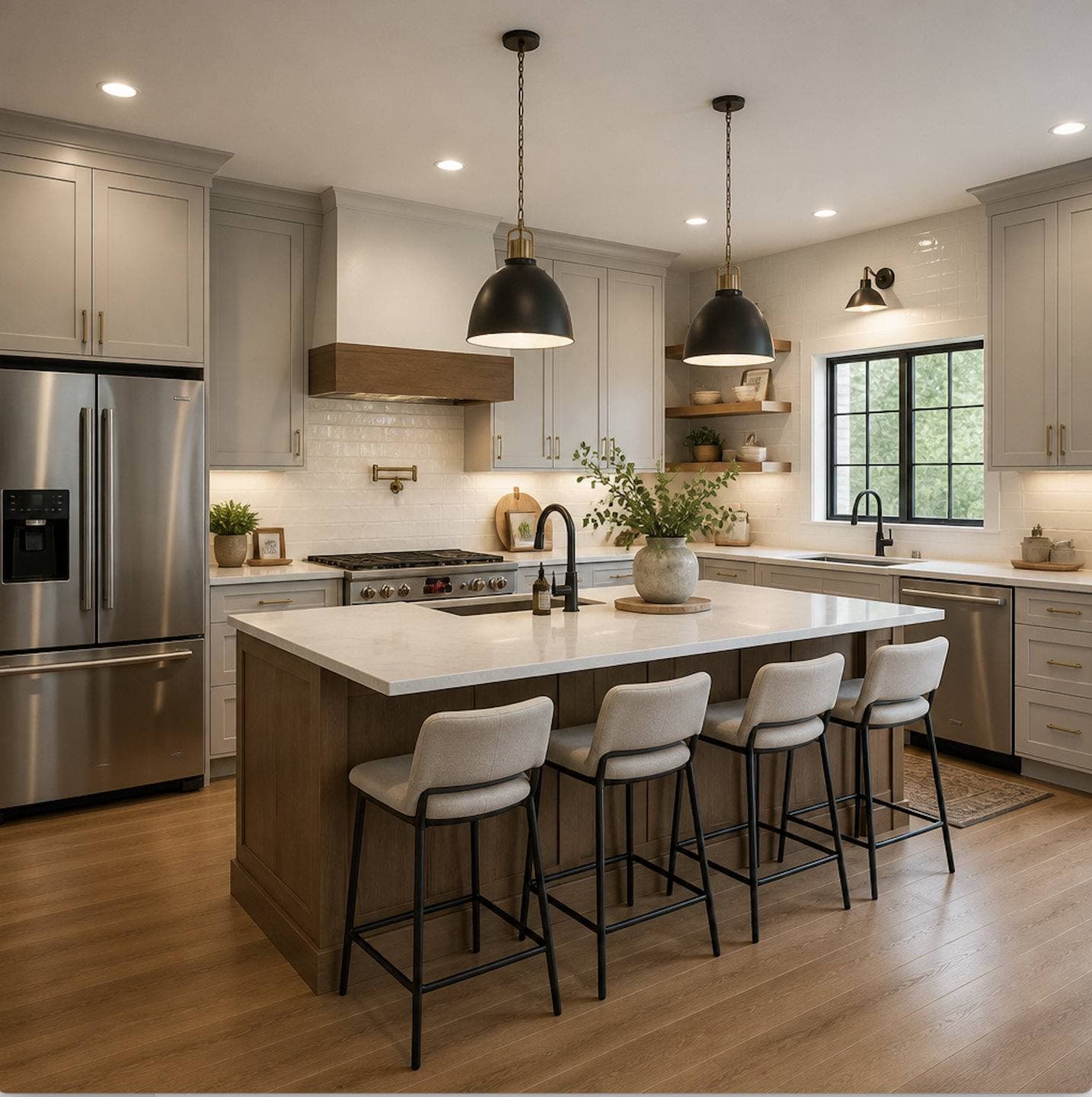
I don’t usually write reviews, but I had to for this. I’m absolutely in love with my new kitchen! The team was professional, easy to work with, and really listened to what I wanted. Everything came out even better than I imagined, and the quality is amazing you can tell they really care about their work. They stayed on schedule and made the whole process smooth and stress-free, which means a lot during a remodel. I’m so happy I chose them. Highly recommend!
View on Google →Kitchen, Bathroom & Home Remodeling, Opa-locka FL — Single-Family, Historic Stock & Whole-Home
Work with a contractor that keeps things straightforward from the first walkthrough to final completion. We focus on clear scopes, realistic timelines, and clean execution—so you know exactly what to expect before any work begins.
Every project is evaluated in person, with detailed written estimates and no-pressure follow-up. Our team handles the full process, keeping communication consistent and the job moving without unnecessary delays.
Free consultations, no trip fees, and same-day appointments often available.

Why Opa-locka homeowners choose Gaven for their remodel.
License GCG1524886 — Verifiable
Florida Certified General Contractor — the highest residential license class in Florida. Verifiable at MyFloridaLicense.com before you sign anything.
500+ Projects Since 2015
Eleven years building across Miami-Dade County, with active recent work in Opa-locka, Hialeah, Miami Gardens, and North Miami. Permit history viewable on BuildZoom.
5.0 Stars — 60+ Google Reviews
Reviewers name their neighborhood and project type. Read them in the panel below or in the footer.
$0 Trip Fee — Free Quote
We never charge to come look at a property or to write a proposal. You only pay once construction begins, and the price is in the contract before signing.
What our Opa-locka clients say.
Live Google reviews — pulled fresh on every page load. 60+ five-star reviews across Miami-Dade, Broward, and Palm Beach.
What we handle (and what we don't).
We handle full kitchen remodels, full bathroom remodels, whole-home renovations, home additions, and new construction across Opa-locka. The remodeling scope is the full footprint: cabinetry, countertops, plumbing rough-in, electrical, drywall, flooring, tile, paint, fixtures, and the permit pull. Five scope bands, full-only.
We do not take on:
- Single-fixture installs, vanity swaps, or faucet replacements
- Paint-only refreshes, drywall patches, or fan installs
- Gutter cleaning, fence work, or roof repair as a standalone scope
- Cabinet installation as a standalone (only as part of a full kitchen remodel)
- Any handyman or single-trade visit
If your project is a kitchen, bathroom, whole-home, or addition in Opa-locka, we want to talk. If it's a small repair, we'll tell you upfront we're not the right fit.
What "remodeling in Opa-locka" actually involves.

Opa-locka is a small Miami-Dade municipality with an unusual profile: 4.2 square miles, roughly 16,000 residents, and one of the largest collections of Moorish Revival architecture in the Western Hemisphere. The city was chartered in 1926 by aviation pioneer Glenn Curtiss, who hired architect Bernhardt E. Muller to design over 80 buildings around an Arabian Nights theme — onion-shaped domes, minarets, Saracenic arches, themed street names like Sharazad Boulevard, Sultan Avenue, Ali Baba Avenue, Sinbad Avenue, and Sesame Street. Seventeen of the original buildings still stand and are listed on the National Register of Historic Places as the Opa-locka Thematic Resource Area. The bulk of the city's residential housing, however, is the postwar concrete-block-and-stucco single-family stock built during the 1940s and 1950s housing boom that established Magnolia Gardens, Bunche Park, Eleanor, and Rainbow Park as neighborhoods. That housing reality drives most of the remodeling work here.
Opa-locka runs its own building department rather than routing every permit through Miami-Dade RER. The City of Opa-locka Building & Licensing Department at 780 Fisherman Street, (305) 953-2868, handles permit intake and processing. Applications go in at the intake counter, then route through Zoning Department review (zoning district, setbacks, height, flood zone determination), then plans examination against the Florida Building Code 8th Edition, then cashier collection. Permits expire 6 months after issuance if no inspections have been performed; once an inspection is performed, the permit extends another 6 months from that inspection date. The City also runs the 40-year structural and electrical recertification program for older buildings — owners get a notice from the Building Department when their building hits the 40-year threshold and a structural engineer's report is required.
Opa-locka cites Florida Building Code Section 101.4.2 directly: no permit is required for general maintenance or repairs that do not change the occupancy of the building and whose value does not exceed $500 in labor and material as determined by the Building Official. For any actual kitchen or bathroom remodel here, the permit is mandatory and a contractor with a current City of Opa-locka contractor occupational license is mandatory. The contractor's general liability insurance must carry at least $300,000 per occurrence for bodily injury and $50,000 for property damage, plus workers' compensation, with the certificate of insurance naming the City of Opa-locka Building and Licensing Department. We carry it. We file it. We pull the permit before work starts.
Magnolia Gardens and Bunche Park, the postwar 1950s subdivisions, are where most of the single-family remodeling demand concentrates: 1,000–1,500 sqft CBS ranches on small lots, original galley kitchens, single hall bath plus master bath, jalousie windows that are now being replaced with NOA-stamped impact glazing on most renovations. Eleanor and Rainbow Park sit in the same era and share the same renovation profile. The Historic Downtown Opa-locka District, designated in 2022, contains the surviving Moorish Revival contributing structures along Sharazad Boulevard, Ali Baba Avenue, and Sesame Street; renovation work on contributing structures has additional historic-review consideration that we coordinate with the City Building Department's Historic Environmental Preservation Board on the front end. There's also a duplex and townhouse stock built in the 1960s–1970s scattered along the perimeter, which generally treats the same as single-family for permit purposes but with party-wall considerations on plumbing and electrical.
Opa-locka sits inside Miami-Dade's High-Velocity Hurricane Zone, which means any window or exterior-door replacement on a renovation must use assemblies with a Miami-Dade Notice of Acceptance covering HVHZ test protocols. The Florida Building Code 8th Edition sets the test standard, and the City Building Department checks NOA documentation as part of permit review. Most of Opa-locka sits in FEMA flood zones X and AE, with some pockets near the canals running into AE specifically. On Zone AE properties, the FEMA substantial improvement rule applies: if the cost of a remodel exceeds 50% of the structure's pre-improvement value, the entire structure has to be brought up to current flood code. On the postwar CBS stock here, where structure values are modest and remodel scopes can run high relative to that, this math matters. We flag it on the first walkthrough so the budget reflects reality before contracts are signed.

Opa-locka's postwar single-family and historic stock: how the housing shapes the remodel.
The Opa-locka housing stock breaks into three operational categories, and the remodel approach differs for each. Naming the category up front — postwar CBS, historic contributing, or 1960s–70s duplex — is the difference between a quote that holds and a scope that surprises in week two.
Postwar CBS single-family in Magnolia Gardens, Bunche Park, Eleanor, and Rainbow Park is the bulk of Opa-locka's residential housing: 1940s–1950s concrete-block construction on small lots, two or three bedrooms, single hall bath plus a primary bath, original galley kitchen. Most renovations here open the kitchen to the dining/living space, gut both bathrooms, replace original jalousies with NOA-stamped impact glazing, and re-pipe the supply lines (most properties still have galvanized that's at end of useful life). Roof replacement and electrical service upgrades often pair with the interior remodel because the structure is pushing 70–80 years.
Historic Downtown contributing structures along Sharazad Boulevard, Ali Baba Avenue, Sesame Street, Sinbad Avenue, and Sabur Lane are listed on the National Register and fall under the Historic Downtown Opa-locka District designated in 2022. Renovation on a contributing structure routes through historic-review coordination with the City's Historic Environmental Preservation Board before the standard permit cycle. Interior gut work is typically allowed; exterior work requires compatibility review. Far fewer of these are in residential use today, but the ones that are need a contractor who knows the workflow on day one.
1960s–1970s duplex and townhouse stock is scattered along the city perimeter and along the eastern boundary near NW 27th Avenue. Treats much like single-family for permit purposes, with party-wall considerations on plumbing reroutes and electrical service changes. Typically the smaller-budget end of the Opa-locka renovation pipeline, with bathroom-first or kitchen-first phased remodel paths common.

Kitchen remodel Opa-locka.
Kitchen remodels in Opa-locka concentrate in the postwar CBS ranches: a galley layout with a wall between the kitchen and the dining room, original 1950s cabinets, dated tile counters, and a single-bowl sink under a small window. The most-requested project here opens the wall between kitchen and living/dining, replaces the entire cabinet run, drops in quartz or granite counters, adds an island with informal seating, and updates the appliance package. We re-pipe the supply lines from the meter to the kitchen on the same scope (most original galvanized is past end of life), upgrade the electrical service to support a modern appliance load, and replace the original window over the sink with a NOA-stamped impact unit. A kitchen remodeler Opa-locka homeowners hire should be able to pull together kitchen, envelope, electrical, and plumbing on a single permit set rather than asking the homeowner to coordinate three trades. We do.
The full tier breakdown — four published bands from $20K to $300K+, depending on cabinet line, stone selection, appliance package, and whether structural walls move — is on the kitchen remodeling tentpole. Most Opa-locka single-family kitchens land in Tier 02 ($35K–$60K) with selective Tier 03 ($60K–$120K) where the homeowner is investing for long-term hold.

Bathroom remodel Opa-locka.
Bathroom remodels run in two scope shapes here: the hall bath gut and the primary bath rebuild. The bathroom remodeler Opa-locka work we see most is the postwar 5x8 hall bath with original ceramic tile, a tub-shower combo with a corroded valve, and a vanity from the 1980s update that the previous owner did. A real bathroom remodel Opa-locka homeowners need on this kind of stock isn't a vanity swap — it's a full demo to the studs, new waterproofing, new supply and drain lines, a new tub or curbless walk-in shower, full-height tile, a new vanity, and upgraded electrical for GFCI compliance and a code-compliant exhaust fan. The primary-bath rebuild typically expands by stealing closet space and adding a freestanding tub or a frameless glass shower with a built-in bench.
Tier 02 ($15K–$30K) covers the full hall bath gut; Tier 03 ($30K–$60K) covers the primary expansion. A bathroom remodeler Opa-locka project priced under $15K is almost always missing waterproofing or proper electrical; we don't price below the scope that lasts. The full tier breakdown — four published bands from $8K to $130K+ — is on the bathroom remodeling tentpole; cost ranges in the bathroom remodel cost guide.
Whole-home renovation, new construction & additions in Opa-locka.
Beyond kitchens and bathrooms, we handle the full GC scope across Opa-locka. Whole-home and multi-room remodeling on the postwar single-family stock typically runs $150–$300/sqft, putting a 1,400 sqft Magnolia Gardens or Bunche Park ranch in the $250K–$450K band for a complete gut: kitchen, both bathrooms, flooring throughout, electrical upgrade, re-pipe, window replacement to impact glazing, and roof if needed. Multi-room remodels (kitchen plus master bath plus flooring) land in the $80K–$200K band.
Vacant lots inside Opa-locka exist and ground-up new construction is permitted through the same City Building Department workflow. We handle ground-up residential builds where the lot, zoning, and budget align — architect coordination through certificate of occupancy, FBC 8th Edition compliance, and HVHZ envelope detailing standard. Adding square footage on a postwar Opa-locka lot is constrained by setback and lot-coverage rules but is regularly approved on the bigger lots; common home addition scopes are family room addition off the back, second-bath addition, primary suite expansion, and ADU on the rear of the lot.
Operationally, every Opa-locka project routes through the same six-phase process: discovery and site visit, proposal and scope contract, permit submittal, demolition, trade rough-in and inspection sequence, finishes and final inspection. Written proposal before signing. Written 1–2 year labor warranty in the contract. The phase that varies most by city is permit submittal — Opa-locka's residential interior renovation track moves through the City Building & Licensing Department directly, while additions and new construction run through the same counter with a heavier review cycle. More on the our process page.
Recent work in and around Opa-locka.
The narratives below are illustrative of typical scope on Opa-locka housing stock pending the project's Phase 0 portfolio audit. Full project documentation is on the portfolio page where the audit corroborates specific addresses.

Magnolia Gardens single-family bathroom gut — Tier 02–03 dual-bath rebuild — 6 weeks.
Postwar concrete-block-and-stucco ranch off NW 22nd Avenue: 5x8 hall bath plus primary bath, both original 1950s ceramic tile, original cast-iron drain stacks, builder vanities, no exhaust ventilation. Scope walked through full demo to studs on both, ANSI A118.10-rated waterproofing on every wet wall full-height, curbless walk-in shower in the primary, new tub-shower combo in the hall bath, large-format porcelain tile floor and walls, new vanities with quartz tops, GFCI compliance throughout, code-compliant exhaust fans ducted through the soffit. Moen valve packages on both. City of Opa-locka permitting and inspections cleared on schedule.

Bunche Park kitchen + envelope rebuild — Tier 02 paired-scope renovation — 9 weeks.
1950s 1,300-sqft single-family ranch off NW 27th Avenue: original galley kitchen, dropped soffit, original jalousie windows throughout, undersized electrical service. Scope walked through full demo, removal of the wall between kitchen and dining, semi-custom shaker cabinetry, quartz countertops, full plumbing rough-in, new appliance package, tile-look porcelain flooring continuous from kitchen through dining. Paired scope on the same permit set: full re-pipe of supply lines from the meter, electrical service upgrade from 100 amp to 200 amp with dedicated 20-amp small-appliance circuits and GFCI protection, all original jalousie windows replaced with NOA-stamped HVHZ-compliant impact units. A kitchen remodeler Opa-locka homeowner hiring on this kind of postwar single-family stock benefits from bundling kitchen, envelope, and service upgrade on a single permit set.
Questions homeowners ask before an Opa-locka remodel.
Do you charge to come look at my home or give a quote?
No. The site visit, scope conversation, and written quote are all free. No trip fee, ever. You only pay when work begins, and the price — scope, timeline, and tier band — is in the contract before signing.
How fast can you schedule a site visit in Opa-locka?
Same-day site visits are usually available. Most consultations land within 3–5 business days. For an active full kitchen or full bathroom project the discovery and design phase then runs 1–4 weeks before any work begins, so the realistic call-to-construction-start runway is 6–12 weeks once permitting and selections are factored in.
Do you offer a warranty?
Yes. Every project includes a written 1–2 year labor warranty in the contract, plus manufacturer warranties on cabinetry, stone, fixtures, appliances, and waterproofing systems. We register the system warranty for the homeowner under the manufacturer's installer-acceptance program when the install meets the manufacturer's technical literature. If something fails inside the warranty window because of installation, we come back and fix it.
How do I verify your license?
Three checks before you sign anything with us — or with anyone else. One: verify license GCG1524886 at MyFloridaLicense.com. Two: pull our permit history at BuildZoom — 37+ verified permits on the public registry. Three: read the 60+ Google reviews linked from the footer or our testimonials page, where reviewers name their neighborhood and project type.
How long does a permit take in Opa-locka?
Submittal goes in at the intake counter at the City of Opa-locka Building & Licensing Department, 780 Fisherman Street. The application is reviewed for sufficiency, given a process number, then routed through Zoning Department review and plans examination against the Florida Building Code 8th Edition. Straightforward interior remodels (kitchen rework, bathroom gut, no structural change) on a complete application typically clear initial review in 3–5 weeks. Projects with structural alterations, change of use, or revisions to plans run longer because each correction restarts a review cycle. Once issued, the permit is valid for 6 months without inspection; the first inspection extends it another 6 months.
Does Opa-locka require impact-rated windows under HVHZ?
Yes. Opa-locka is inside Miami-Dade's High-Velocity Hurricane Zone, which means any window or exterior-door replacement must use assemblies carrying a Miami-Dade Notice of Acceptance covering HVHZ test protocols. The City Building Department verifies NOA documentation as part of permit review. On the postwar single-family stock, where original jalousies are still common, the renovation budget should account for full impact-glazing replacement up front rather than as an upgrade line item.
What if my Opa-locka property is in a flood zone?
Most of Opa-locka sits in FEMA flood zones X and AE. Properties in Zone AE trigger flood-code review on substantial improvement projects: where the remodel cost exceeds 50% of the structure's pre-improvement value, the FEMA substantial improvement rule kicks in and the structure has to be brought up to current flood code. On the postwar CBS stock here, where structure values are modest and the remodel scope can run high relative to that, the substantial-improvement math is worth doing on the front end. We flag it on the first walkthrough.
My building got a 40-year recertification notice. Does that affect a remodel?
The City of Opa-locka Building Department administers the 40-year structural and electrical recertification program for older buildings. If your property hits the 40-year threshold, the City sends a notice and a licensed structural engineer's report is required. If the recertification surfaces structural or electrical work needed, it's worth coordinating that work with any planned interior remodel rather than running them as separate projects on overlapping permits. We've handled both pathways and can run them together when it's efficient.
Nearby cities we serve.
Opa-locka borders Hialeah to the west, Miami Gardens to the north, and North Miami to the east, with Hialeah Gardens immediately northwest. We work the full city footprint and the adjacent municipalities. For sister cities under the same parent county, here's where to go next.
Hialeah
Dense single-family and duplex stock immediately west. Separate building department; permit submittal routes through the City of Hialeah, not Miami-Dade RER.
Hialeah Gardens
Smaller municipality immediately northwest of Opa-locka. Mixed postwar single-family and 1980s–90s tract development.
Miami Gardens
Single-family-dominant city to the north. Largest Miami-Dade municipality by population; postwar and 1960s stock similar to Opa-locka's residential profile.
North Miami
Sister city to the east with its own building department. Mixed mid-century single-family and Biscayne corridor multi-family.
For the full Miami-Dade County footprint — 34 incorporated municipalities plus unincorporated areas — see the Miami-Dade County hub. For the complete three-county coverage map across Miami-Dade, Broward, and Palm Beach County, see the Service Area directory.
Ready to start your Opa-locka remodel? Let's talk.
Free quote. No trip fee. Full home remodels only. Send the form or call. We walk the scope with you, talk through what makes sense for your space and budget, and put a written proposal in your hands — at no charge.
License GCG1524886 · Serving Opa-locka, Miami-Dade County, Broward County, and Palm Beach County · Monday–Friday, 7:00 AM – 10:00 PM
Related reading.
- Miami-Dade County coverage — parent county hub
- Service Area directory — full three-county footprint
- Miami Lakes — sister city to the west, gated-community stock
- North Miami Beach — coastal sister city, separate building department
- Kitchen remodeling Miami — companion tentpole, 4-tier pricing
- Bathroom remodeling Miami — companion tentpole, 4-tier pricing
- Home remodeling Miami — whole-home and multi-room scope
- Home additions Miami — room additions, 2nd-story, garage conversions, ADUs
- New construction — ground-up custom residential
Last updated May 2026.