

Bathtub Installation
Bathtub installation done properly — the tub set level, supported, and connected, alcove, freestanding, or drop-in, as part of a full bathroom remodel by a licensed Florida general contractor. Free quote, no trip fee, same-day appointment scheduling.
Bathtub installation as part of a full bathroom remodel
Gaven installs the tub as one phase of a full bathroom remodel — not as a job you can book on its own. A bathtub isn't a drop-in-and-done item; it's a heavy fixture that has to be supported by the floor, set level, connected to the drain and overflow, and surrounded by waterproofing and tile. It goes in at a specific point in the remodel, on a floor and a rough-in prepared for it.
Gaven does notinstall bathtubs as standalone jobs, does not install tub liners or one-day inserts, and is not a retailer's install service. If you want a liner dropped over your old tub, a one-day insert, or a mobility walk-in tub sold as a product, that's a different kind of job — Gaven isn't the right fit for it.
For a full bathroom remodel that includes a new tub, request a free quote and same-day appointment scheduling.
Bathtub installation, by the spec
structure first
What bathtub installation involves in a remodel
Is installing a bathtub just setting it in place? The tub is the part you see, and it's the last easy step. What makes a tub installation last is everything that happens before it drops in: the floor has to carry the weight, the drain and overflow have to line up, the tub has to sit dead level, and the surround has to be waterproofed and tiled around it. Miss any of those and you get a tub that rocks, drains slowly, or leaks behind the wall.
In a remodel the tub goes in at a set point. The old tub comes out, the floor and framing are checked and reinforced if needed, the drain and overflow rough-in is set where the new tub requires, the tub is positioned and leveled, and only then is the surround built and tiled. Each step depends on the one before it — a tub can't be leveled on a floor that isn't ready, and the surround can't be tiled until the tub is set.
What separates a remodel-built tub from a one-day insert is what's underneath and behind it. The insert covers the old tub and leaves whatever's wrong with the floor and the connections in place. A proper installation deals with the structure, the drain, and the waterproofing — and it's permitted and inspected. The drain and overflow tie into the full bathroom remodel plumbing, and the tiled surround is set by the bathroom tile installation phase over its own waterproofing.
Freestanding ·
Drop-in
Choosing the type: alcove, freestanding, drop-in
The first decision is the type of tub, and it drives everything about the install — the framing, the plumbing location, and the floor support all change with it.
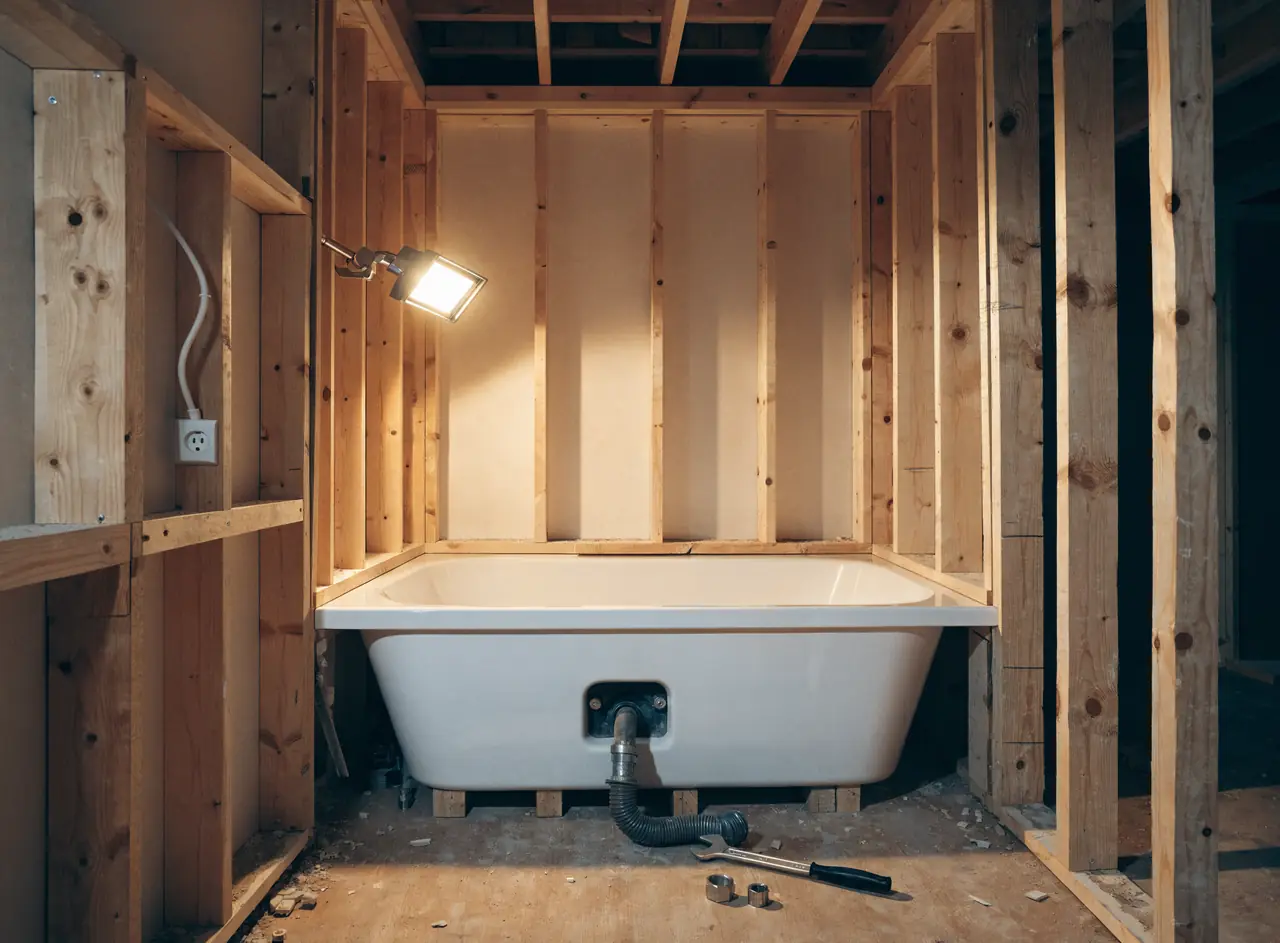
- An alcove tubis the standard three-wall fit, with a finished apron front and tile on the three surrounding walls. It's the most common and the most straightforward to install.
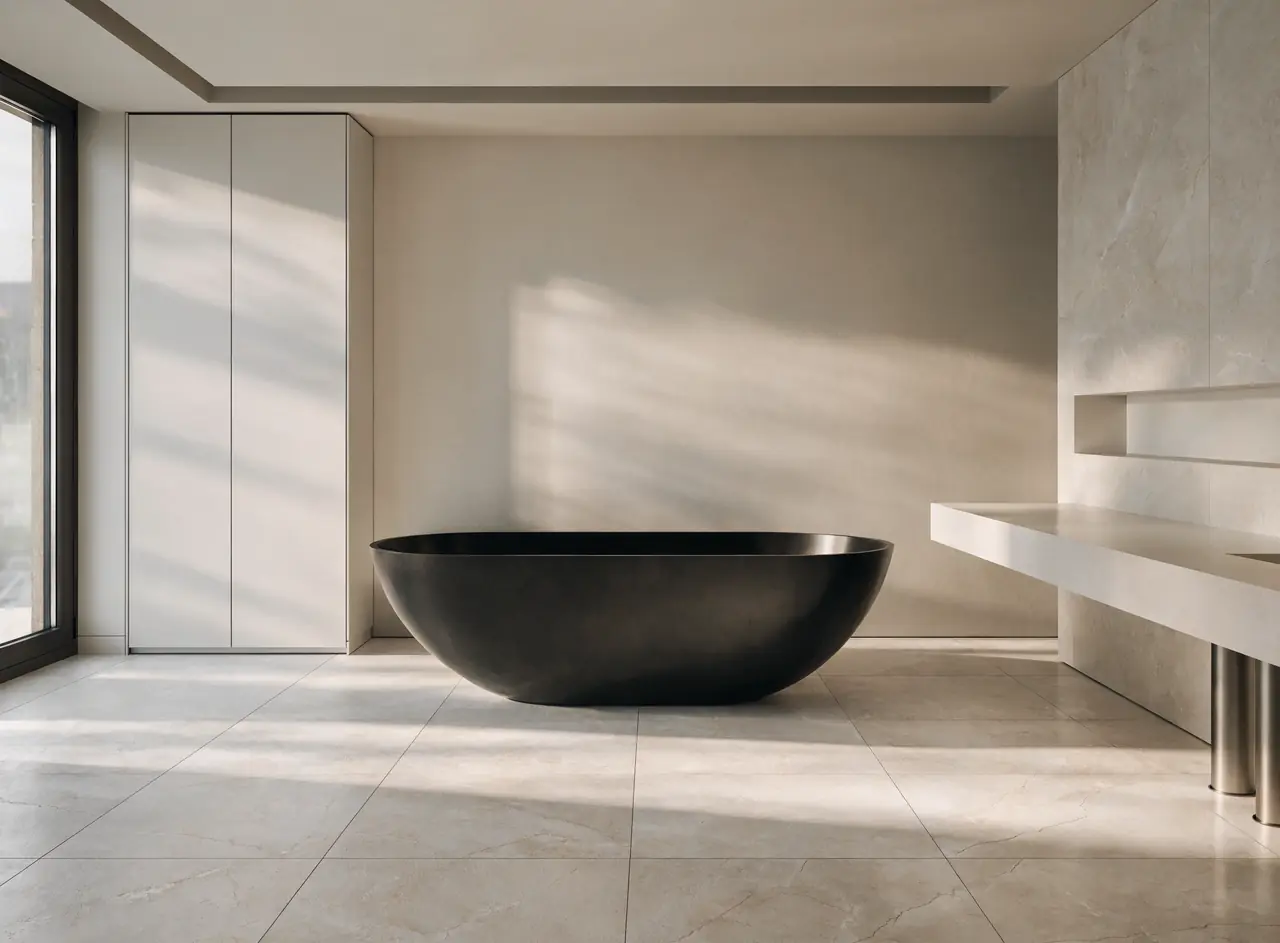
- A freestanding tub stands on its own in the open, a sculptural centerpiece — but it needs the floor drain placed exactly where the tub sits, the supply lines routed to a floor-mounted or wall filler, and a floor strong enough to carry it with no walls to lean on.
- A drop-in tub sits inside a built deck or platform, which means framing and building the deck, then setting the tub into it and tiling the surround.
Each type is a different job, not just a different look. A freestanding tub that looks simple actually concentrates its whole load on a small footprint with no wall support, and the plumbing has to be roughed into the floor precisely before the tub arrives. Gaven plans the type during design, because switching from an alcove to a freestanding tub after the rough-in is set means redoing the plumbing. You can see where the tub falls in the full bathroom tier pricing breakdown on the main bathroom remodel page.
The weight problem nobody mentions
Here's what the DIY videos skip: a bathtub is heavy, and a cast-iron one is heavy before you add water. According to Kohler's installation specs, a standard enameled cast-iron alcove tub weighs between 277 and 376 pounds empty — that's the tub alone, before a drop of water or a person.
Then you fill it. Water weighs about 8.33 pounds per gallon, a figure documented by the USGS, and a standard tub holds 40 to 60 gallons. Add the tub, the water, and a bather, and a filled cast-iron tub concentrates well over 800 pounds onto a small patch of floor. That load is real, and it's why the floor under a tub isn't an afterthought.
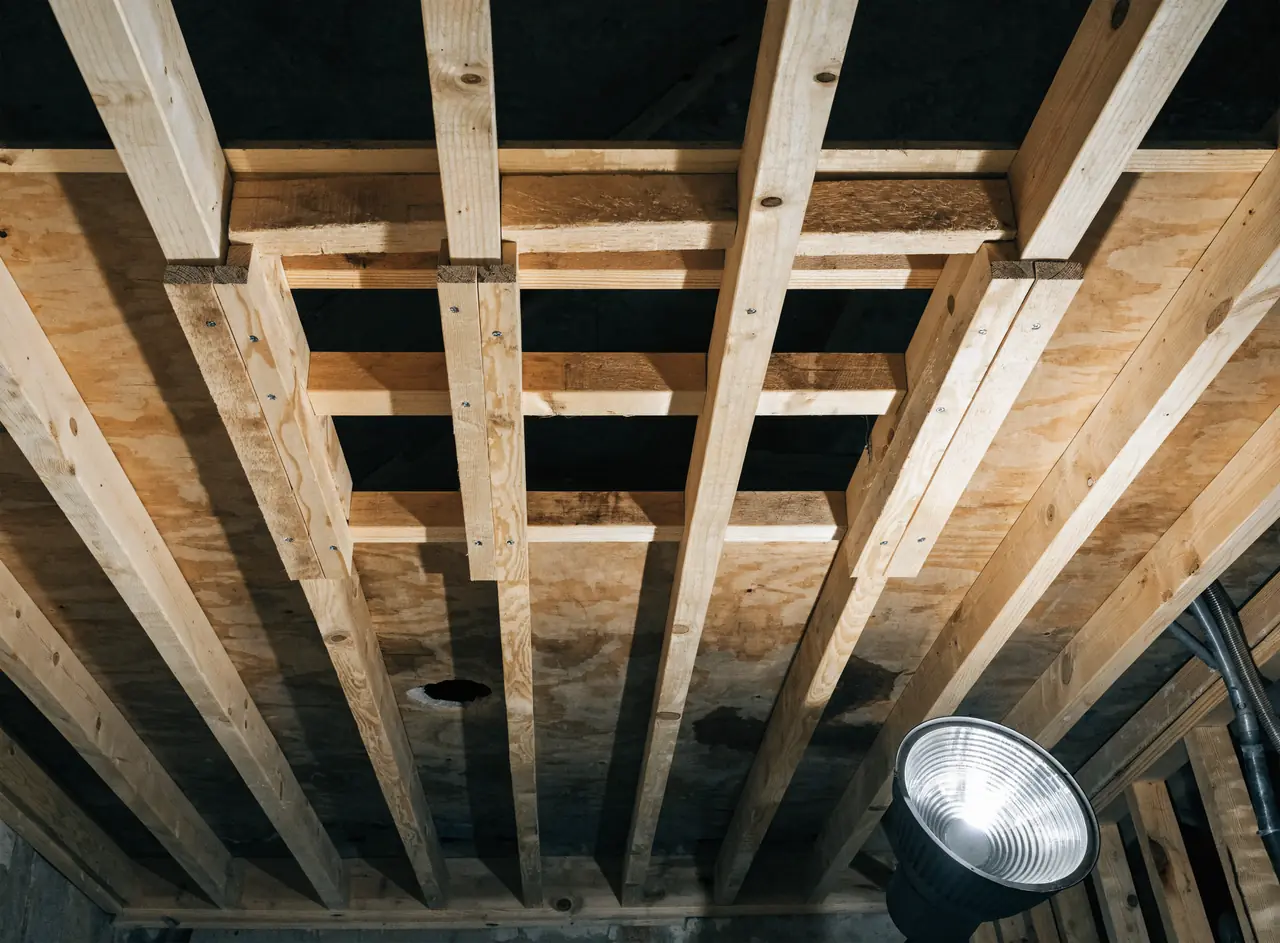
Residential floors are designed to a minimum live load — the International Residential Code sets it at 40 pounds per square foot for habitable rooms — but a heavy tub concentrating its weight can exceed what an old or undersized floor handles, especially in an older Miami home. That's why Gaven checks the framing under a tub location and reinforces it when the tub calls for it. A floor that flexes under a filled tub cracks tile, stresses the drain connection, and eventually fails. The weight is the part the inserts and the DIY guides never plan for, and it's the part that decides whether the tub is still solid in ten years.
vs.
mortar bed
Setting, leveling, and what goes under the tub
What goes under a bathtub?It depends on the tub, and getting it wrong is one of the most common installation failures. Different tubs are set in different ways, and the method isn't optional.
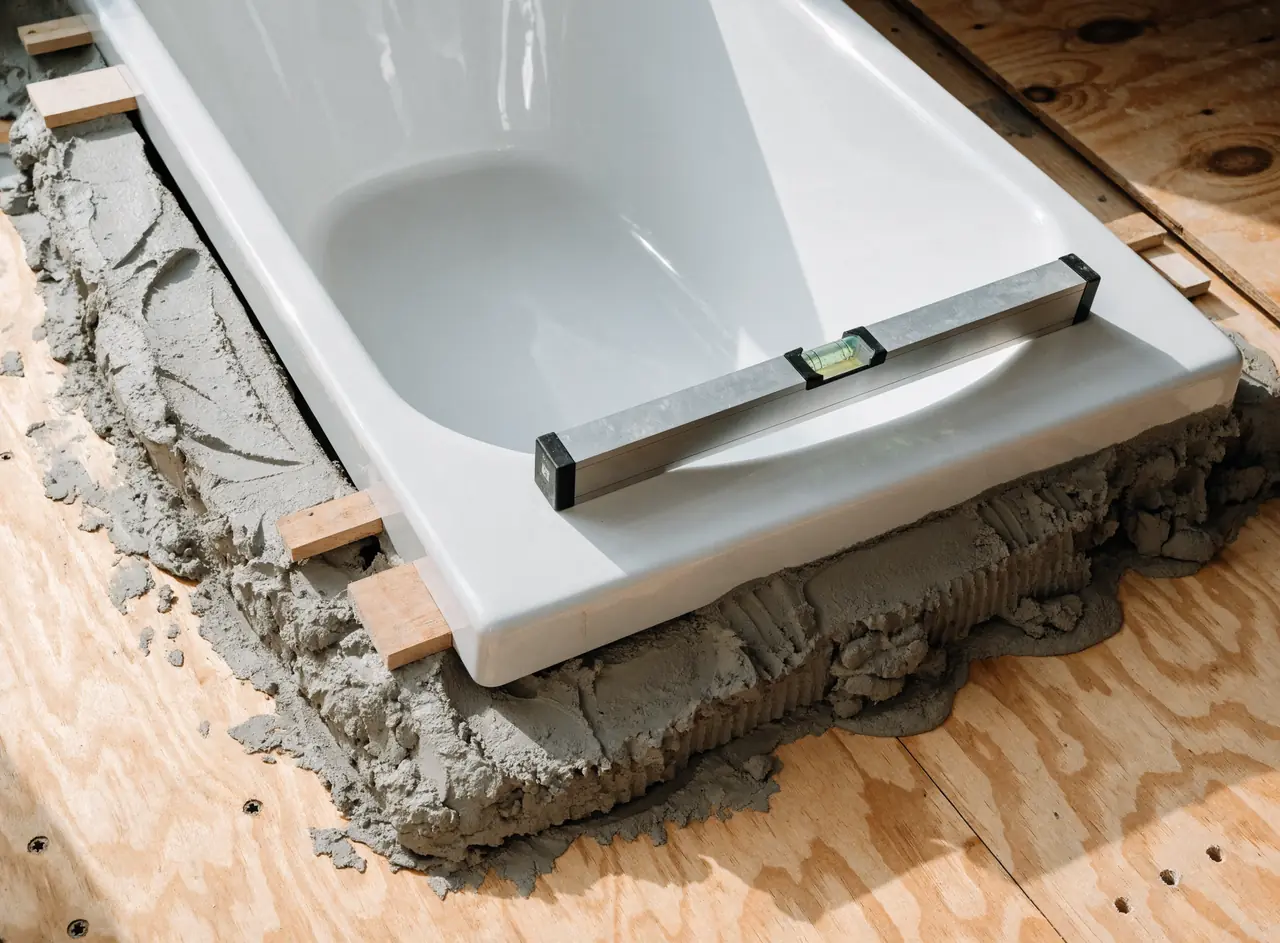
A cast-iron tub rests on its own integral feet and is leveled with metal shims under those feet until it sits flat on all four — Kohler's instructions are specific about leveling on the support feet with shims. A steel or Americast tub, and many acrylic tubs, are different: they need a full mortar or structural setting bed troweled under the base before the tub is set down into it. The mortar bed fills the void under the thin tub bottom, supports it across its whole footprint, and stops the flex and the hollow "oil-canning" sound a poorly bedded tub makes when you step in.
Leveling matters more than it sounds. A tub that isn't dead level won't drain fully — water pools at the high end — and the surround tile won't line up cleanly. Getting the tub flat, supported, and connected to the drain and overflow without a leak is the core of the install. The drain and overflow themselves connect to the plumbing roughed in for the remodel; the tub receives those connections, set to meet them. Gaven matches the setting method to the tub type, because a steel tub set without a mortar bed flexes and cracks the same way every time.
Accessibility and planning a tub people can use
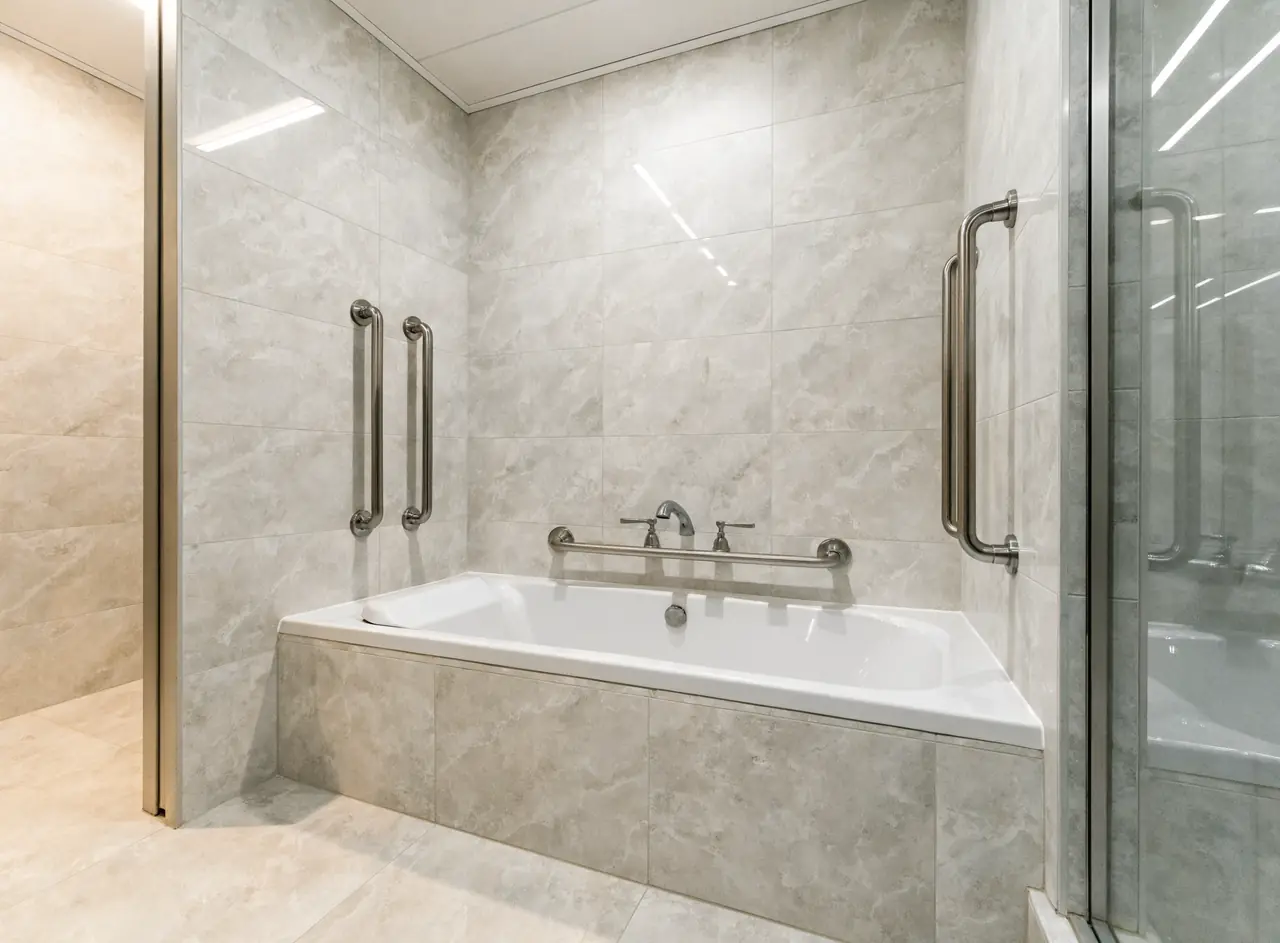
For a bathroom built to stay usable as people age, or for accessibility, a tub has its own set of standards — separate from the rules for showers and sinks. The ADA standards address bathtubs specifically in their own section, covering the clearance in front of the tub, grab bars on the walls, and a seat at the head of the tub, whether built in or removable.
These aren't the same as the shower rules. A bathtub meant for accessibility needs the clear floor space sized to the length of the tub, grab bars positioned on the back and end walls where someone can actually use them, and the seat planned into the design. Even a tub that isn't being built to full ADA spec benefits from grab-bar blocking installed in the walls during rough-in — so a bar can be added later without opening the wall. That's a small step during construction that saves a major one later, which is exactly the kind of thing that only gets done when the tub is part of a planned remodel rather than a quick swap. Gaven plans the accessibility details during design, because grab-bar blocking and clearances can't be added after the walls are tiled.
Questions homeowners ask
Is bathtub installation available as a standalone project?
No. Gaven installs tubs only as part of a full bathroom remodel that also includes demolition, plumbing, waterproofing, tile, and final inspection. If you want a liner over your old tub, a one-day insert, or a tub set with nothing else happening, a specialty installer or the retailer's service is a better fit — Gaven isn't the right contractor for standalone tub jobs.
How much does a cast-iron tub weigh?
A standard enameled cast-iron alcove tub weighs roughly 277 to 376 pounds empty, before any water. Filled, with a bather, the load climbs well over 800 pounds concentrated on a small area of floor. That weight is why the floor under a tub often needs checking and reinforcing — it's the part DIY installs skip.
Do you charge to come measure and quote the tub?
No. The quote is free and there's no trip fee. The tub scope is measured and priced as part of the full bathroom remodel estimate, delivered at the site visit or within 24 hours.
What goes under a bathtub for support?
It depends on the tub. A cast-iron tub rests on its own feet and is leveled with metal shims. A steel, Americast, or acrylic tub usually needs a full mortar setting bed troweled under the base, which supports the thin bottom across its whole footprint and stops the flex and hollow sound a poorly bedded tub makes. Gaven matches the method to the tub type.
Can you install a freestanding tub?
Yes. A freestanding tub stands open with no surrounding walls, so it needs the floor drain placed exactly where the tub sits, the supply routed to a floor or wall filler, and a floor strong enough to carry it unsupported. The plumbing has to be roughed into the floor precisely before the tub arrives, which is why it's planned in design — switching to a freestanding tub after the rough-in means redoing it.
Does my floor need reinforcing for a new tub?
Sometimes — it depends on the tub and the existing framing. Residential floors are built to a minimum design load, but a heavy tub, especially cast iron, can exceed what an old or undersized floor handles. Gaven checks the framing under the tub location and reinforces it when the tub calls for it, because a floor that flexes under a filled tub cracks tile and stresses the connections.
Are you licensed to install a bathtub in Miami-Dade?
Yes. Gaven Constructions holds Florida Certified General Contractor license CGC1524886, verifiable at MyFloridaLicense.com. The tub is installed under that license as part of a permitted full bathroom remodel across Miami-Dade, Broward, and Palm Beach County.
Can a bathtub be made accessible?
Yes. The ADA standards cover bathtubs specifically — clearance in front of the tub, grab bars on the back and end walls, and a seat at the head. Even short of full spec, Gaven can install grab-bar blocking in the walls during rough-in so bars can be added later without opening the wall. Those details are planned in design, since they can't be added after the surround is tiled.
Start a full bathroom remodel quote
Last updated August 2026.