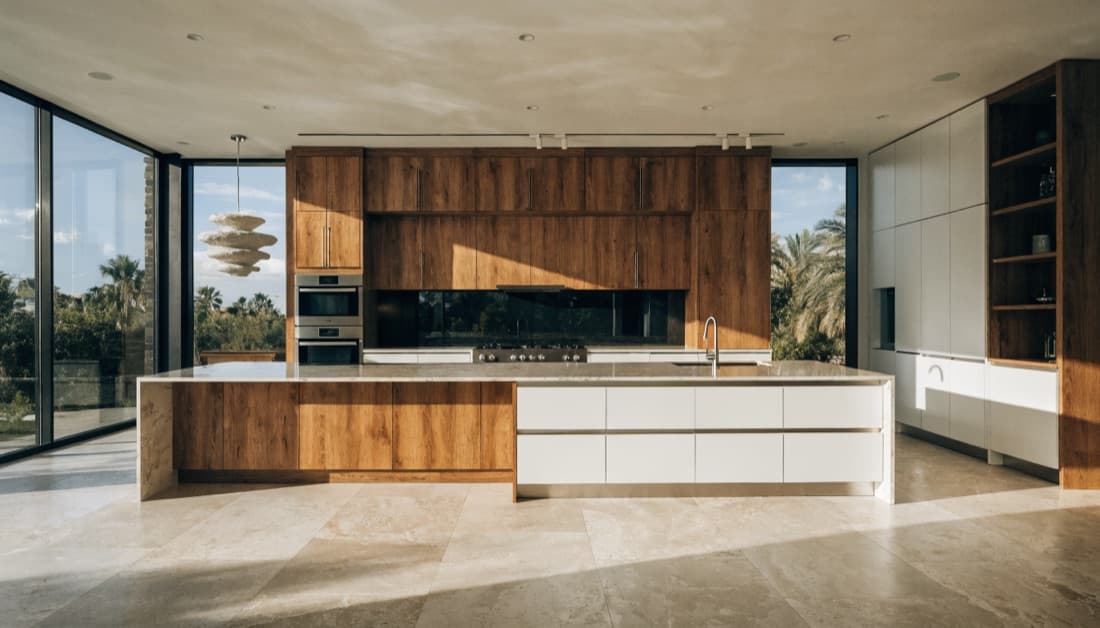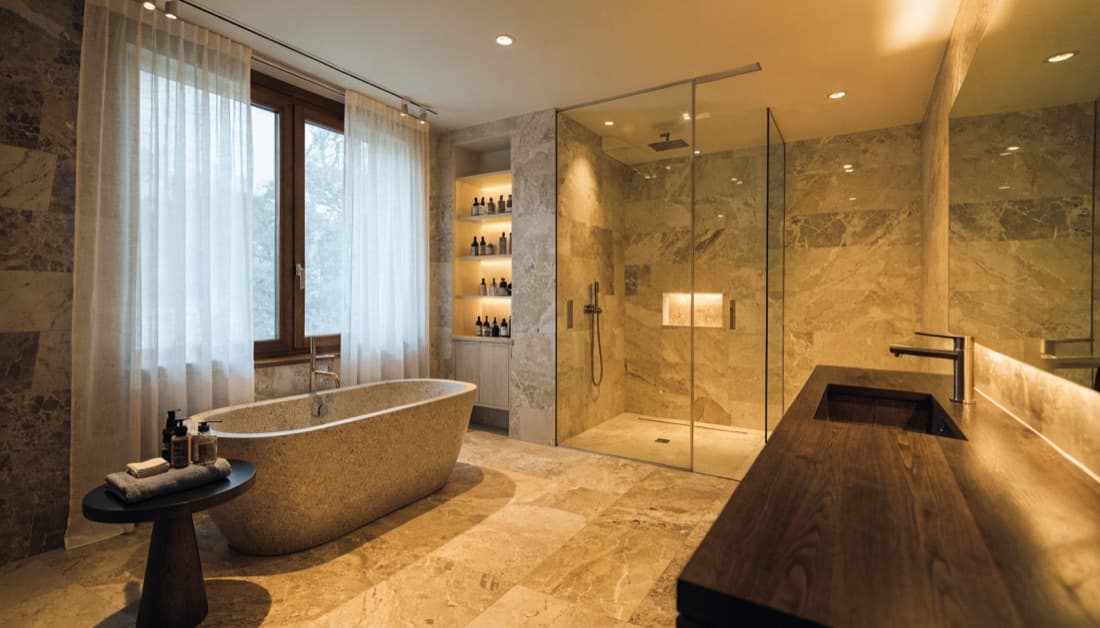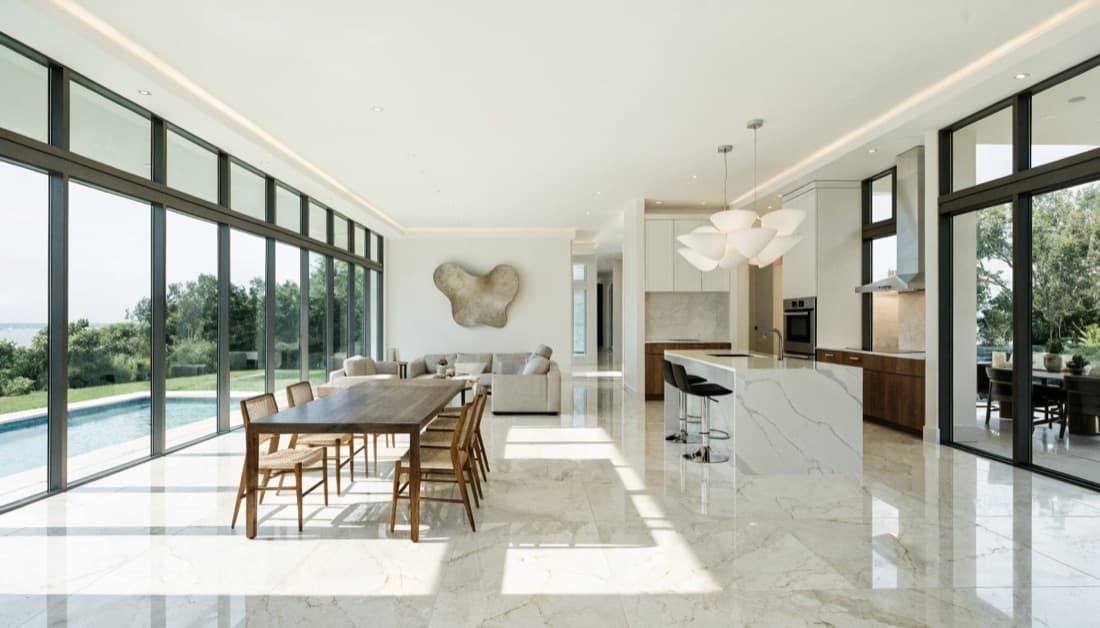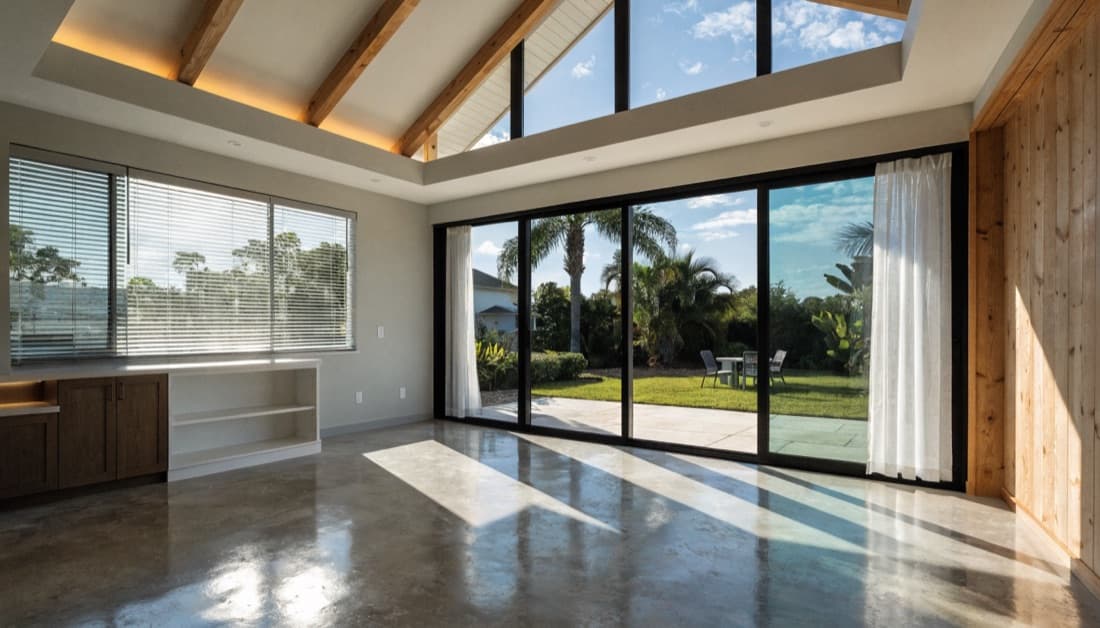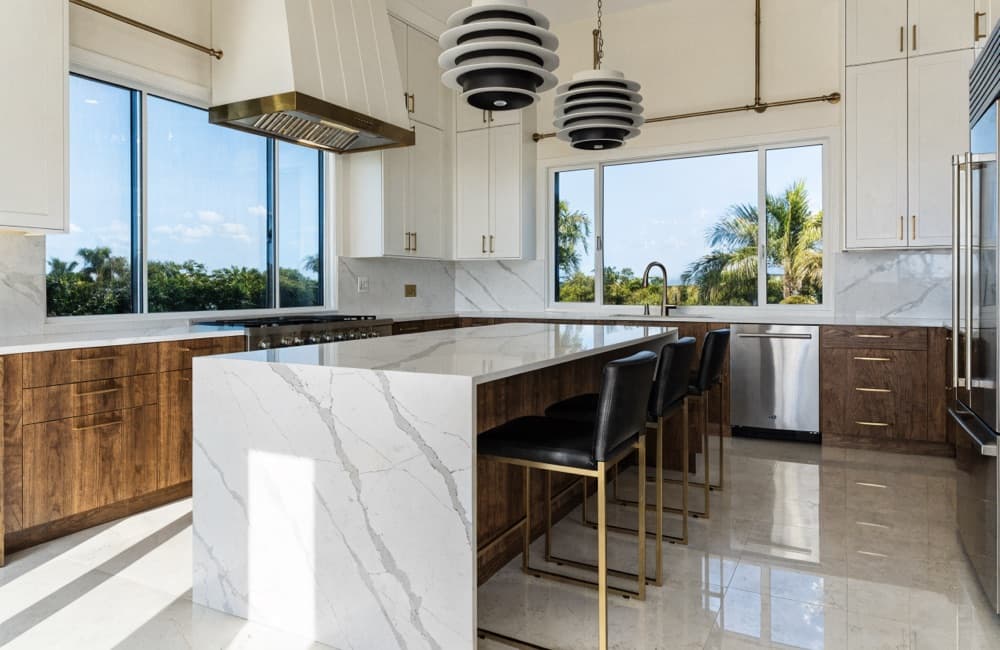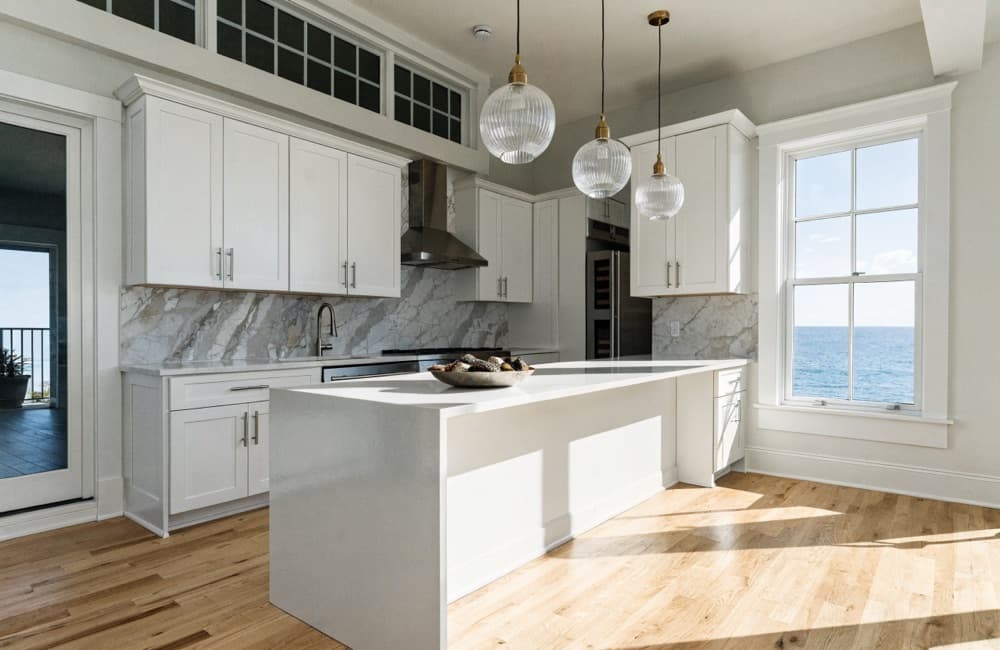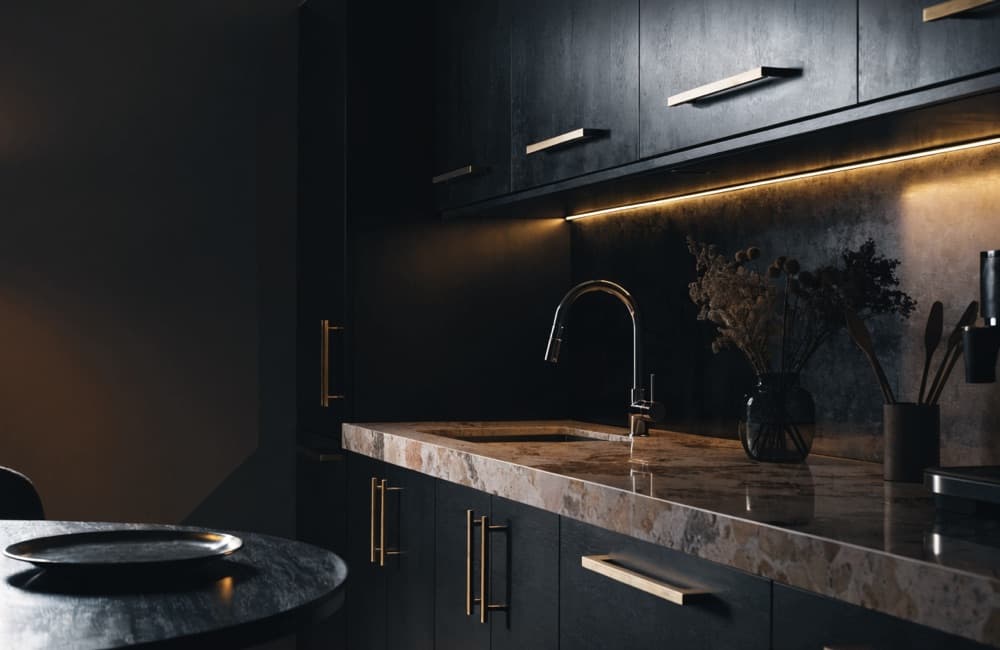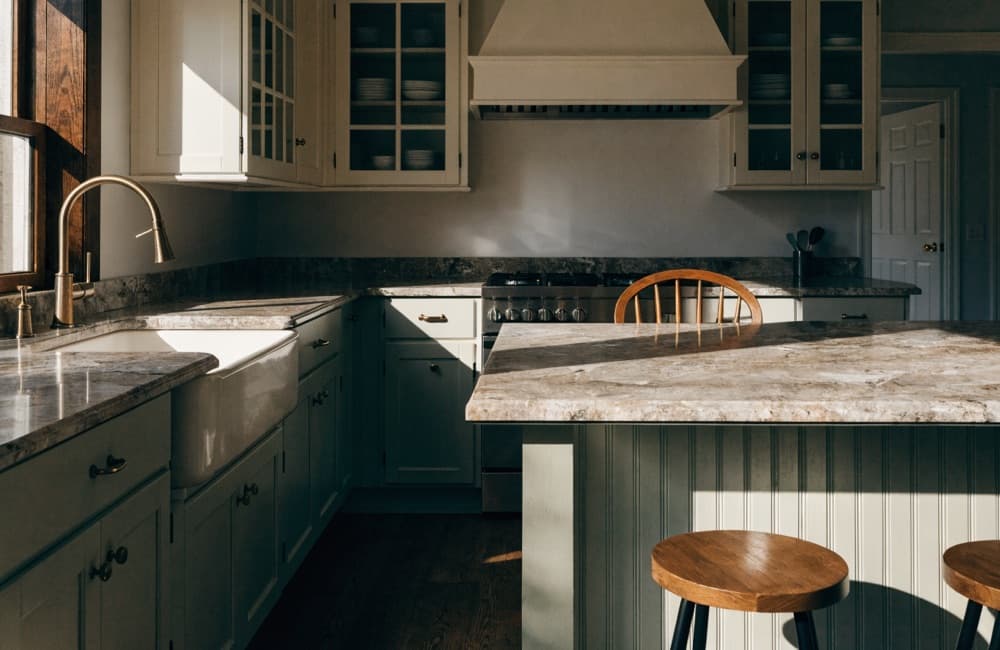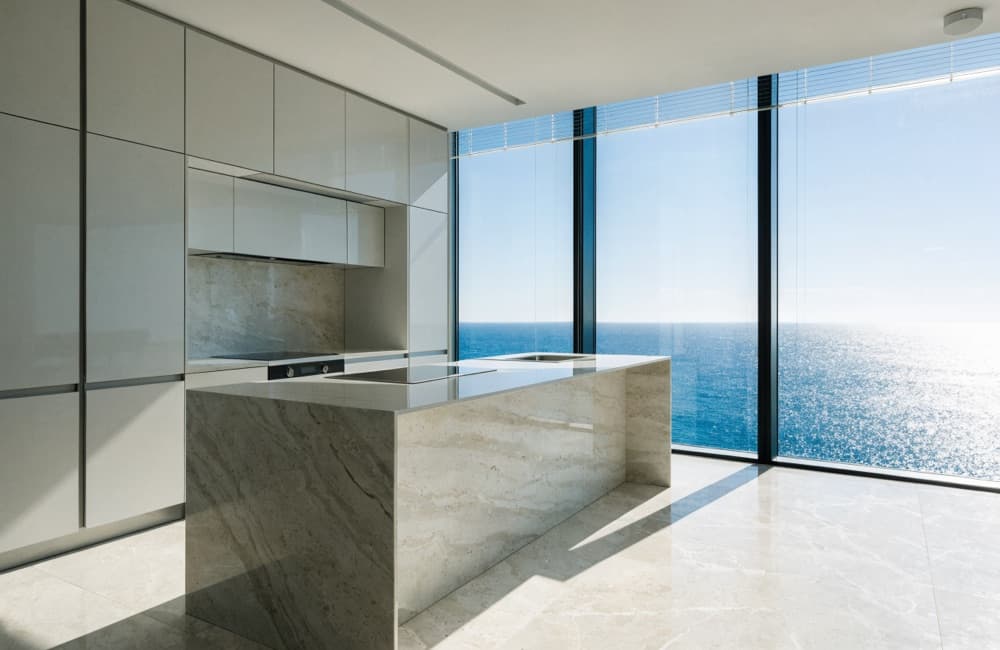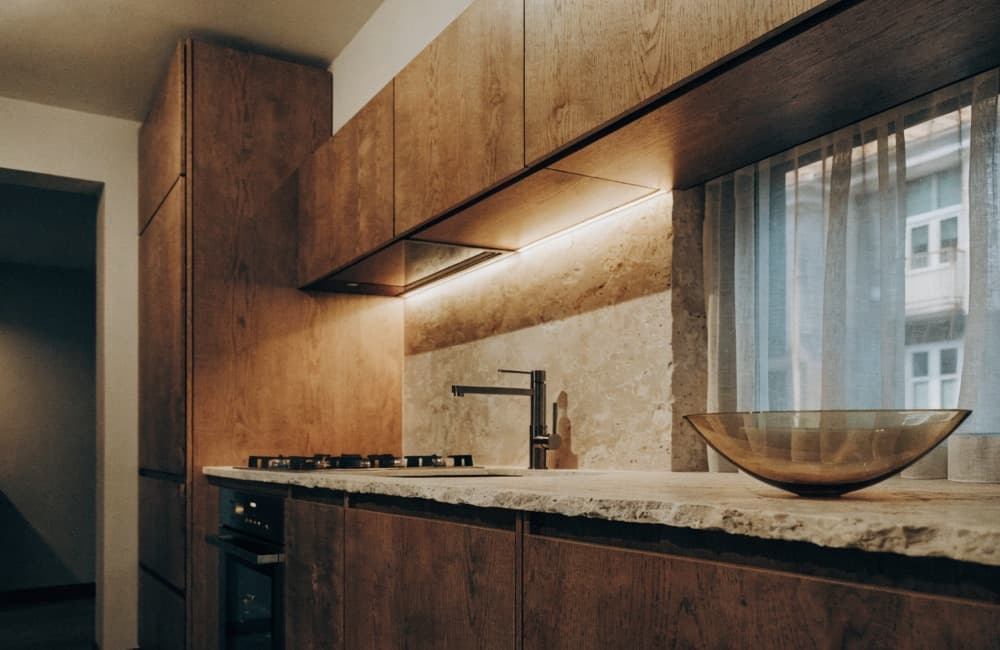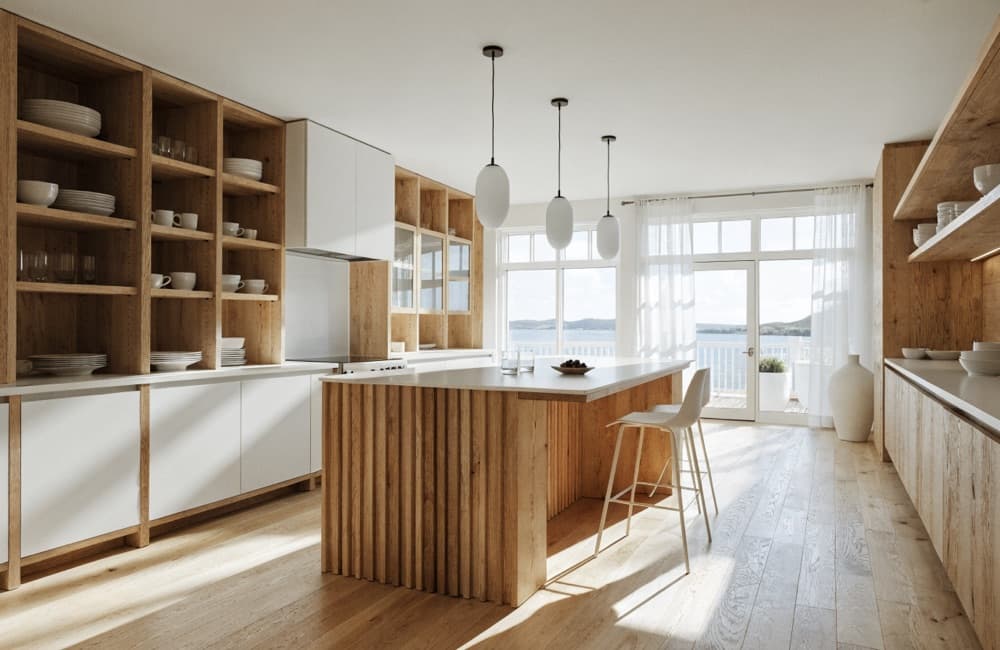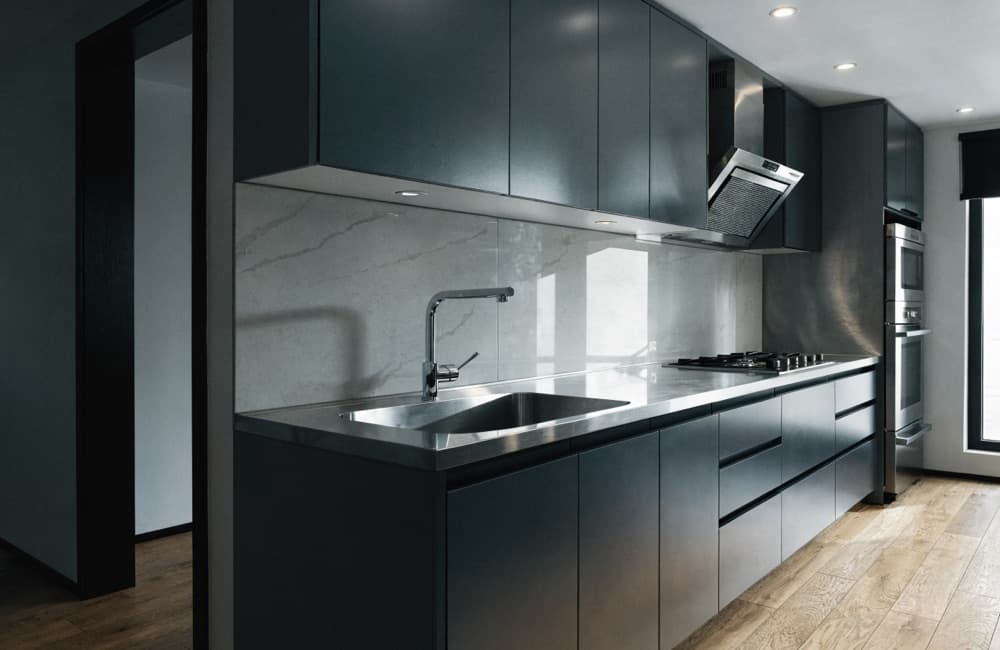
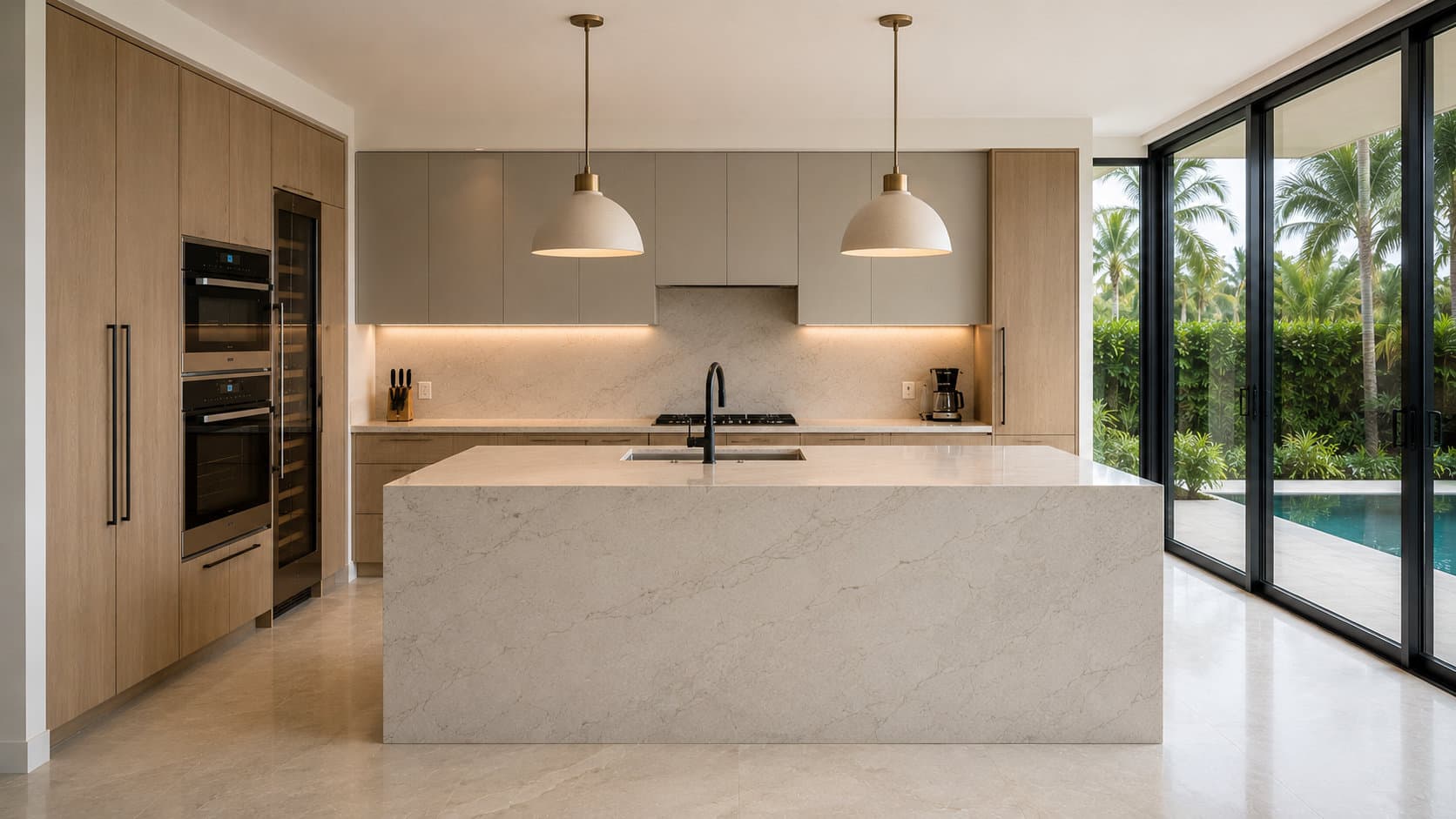
Gavin Construction completed a renovation project in my unit, and the experience was excellent from start to finish. They were professional, reliable, detail oriented throughout the entire process, and the price was very fair. They did high quality work, the crew was respectful of the space, and communication was clear and consistent. What stood out most was their work ethic and commitment to doing the job right - no shortcuts, no surprises. If you’re looking for a construction or reno team in the Miami area that delivers quality work and follows through, I’d definitely recommend Gavin Construction.
View on Google →Construction and remodeling services across Miami-Dade, Broward, and Palm Beach County
Five services, one Florida Certified General Contractor's license, and a single point of accountability from the first site visit through the final permit signoff. Gaven Constructions is a remodeling company in Miami building kitchens, bathrooms, additions, whole-home gut renovations, and ground-up new construction since 2015. Florida CGC license GCG1524886. 5.0 stars across 60+ Google reviews. 500+ projects on the books. 37+ BuildZoom-verified permits.
Why Miami homeowners choose Gaven.
500+ Projects Since 2015
Eleven years of full kitchen, bathroom, home renovation, additions, and new construction work across Miami-Dade, Broward, and Palm Beach County. 37+ permits verifiable on the public BuildZoom record. The remodeling company in Miami most homeowners interview cannot produce a permit history this long.
5.0 Stars / 60+ Google Reviews
Miami homeowners rate us 5.0 stars across 60+ Google reviews, with neighborhood and project type named in the review text. Read every one — link below.
$0 Trip Fee, Free Quote
We never charge to come look at your property. Site visit, scope conversation, and written proposal are all free. The price is in the contract before signing — scope, timeline, and tier band, all of it.
License GCG1524886, Verifiable
Active Florida Certified General Contractor. Verify the license at MyFloridaLicense.com before signing — with us or anyone else. Every project carries a written 1–2 year labor warranty plus manufacturer warranties on fixtures, stone, appliances, and waterproofing systems.
What Miami homeowners say.
We handle full kitchen remodels, full bathroom remodels, full home renovations, new construction, and home additions only. Five scope bands, one Florida Certified General Contractor's license, one team of in-house crews from framing through final inspection.
We do not take on:
- Small jobs of any kind. No partial cosmetic refreshes, no single-fixture replacements, no vanity swaps
- Single-room paint-only or single-room flooring-only jobs
- Touch-ups, drywall patching, single-trade visits
- Drywall repair, fan installation, gutter cleaning, furniture assembly
- Roof repair, exterior painting standalone, deck or patio standalone
- Cabinet installation as a standalone scope (only as part of a full kitchen or bathroom remodel)
- Tile installation as a standalone scope (only as part of a full kitchen, bathroom, or home renovation)
- Commercial general contractor work (residential GC only — kitchens, bathrooms, additions, whole-home, residential new construction)
The scope gate exists because the right project for Gaven runs through the full six-phase process: discovery, design, permitting, demolition and rough trades, finishes and installation, punch and closeout. Anything smaller is the wrong fit for our team and our license class.
One license, one team, one point of accountability.
Most clients come to us for a kitchen or a primary bath. That's the core of what we do. Both services are scoped across four pricing tiers, so the work fits the home and the budget without forcing a single template onto every project. Full detail lives on the kitchen remodeling tentpole and bathroom remodeling tentpole.
The other three services on this page exist because kitchen and bathroom projects rarely stay inside their own walls. Open a load-bearing wall during a kitchen remodel, and it becomes a structural project. Add square footage to a primary bath, and it's an addition. Start with "just the kitchen and the two bathrooms," and you're often looking at a whole-home renovation by the end. That last pattern, a single-room remodel that grows into a multi-service project mid-design, is the most common scope-shift we see across Miami-Dade residential renovation.
All five services run under a single Certified General Contractor's license, GCG1524886. In-house crews handle framing, finish, plumbing, electrical, mechanical, and project management on every job. We work across Miami-Dade, Broward, and Palm Beach County. One license, one team, one point of accountability, whether it's a single room or a full gut.
Best full home renovation companies in Miami for new homeowners: what we mean by that
The phrase "best full home renovation companies in Miami" is the search a new homeowner runs after the first kitchen quote comes back and the scope is bigger than expected. The decision under that search isn't really about who's best in the abstract. It's about who can scope the project honestly the first time, hold the FEMA 50% rule and the Miami-Dade permit windows in their head, and tell a new homeowner the truth about what their renovation is actually going to cost before contracts get signed. That's the conversation we want to have on the first site visit, not in the third change order.
Signs you need a remodeling company in Miami (and the right project type isn't obvious)
This is the decision framework most Miami homeowners are actually inside when they start calling general contractors. The signs that signal you need a remodeler are rarely "the kitchen is dated" — they are the deeper scope-shift triggers that turn a single-room remodel into a multi-service project. Five patterns surface most often.
The hardest moment in a Miami residential renovation isn't the construction. It's the moment in the second or third site visit when the homeowner realizes the project they thought they were doing isn't the project that's actually going to get built. We see four scope-shift patterns more than any others.
The kitchen remodel that grows into a first-floor gut. A homeowner starts with cabinets, countertops, and appliances. Demo opens up the wall behind the cooktop and reveals 1980s electrical that doesn't meet current code. The dishwasher line is galvanized and has to come out. The wall between the kitchen and the dining room turns out to be load-bearing, and removing it for the open-plan layout requires a steel beam, structural engineering, and a stamped permit drawing. By the time the actual scope is mapped, the project is a complete gut renovation with the kitchen in the middle of it. The decision point — gut now or phase the work — has to be made before the first wall comes down, not after.
The addition that becomes a tear-down. A homeowner in a coastal flood zone wants to add 600 square feet for a primary suite. The structure's tax-assessed value, excluding land, is $400,000. The proposed work (addition plus the cosmetic kitchen and bath upgrades the homeowner was already planning) totals $250,000. That's 62% of pre-improvement structure value, and it triggers FEMA's Substantial Improvement rule. The entire structure has to be raised to Base Flood Elevation plus freeboard. On a slab-on-grade house, the cost of raising the structure exceeds the structure's market value, so the rational path becomes demolition and ground-up new construction. Industry coverage of these scope-shifts documents cases where a $180K renovation triggers $600K–$900K+ in compliance costs once SI applies. The 50% rule is cumulative across 12 months, even across separate permits: a kitchen permit in Q1 plus a bath permit in Q3 can cross the threshold together.
The whole-home remodel that adds an addition mid-design. A homeowner buys a 1970s ranch with the intention of a full interior gut, then realizes the existing footprint can't hold a primary suite that meets the way the family actually lives. The interior gut and the addition are scoped together from the start, not bolted onto each other midway through. This is the cleanest of the four patterns, but only if the addition's structural and FEMA implications get screened before the gut work begins.
The new construction that's actually a substantial-improvement remodel. A homeowner with a tear-down lot and a homestead exemption faces a tax-basis decision that has nothing to do with construction. Voluntary demolition extinguishes the Save Our Homes cap and resets the property to current market value on the next tax roll. The documented case of a Florida couple whose property taxes rose to $91,000 per year after a renovation the appraiser deemed equivalent to new construction is the canonical cautionary tale. Sometimes the rational path is to preserve the existing structural envelope, perform a substantial-improvement remodel that stays under the SI threshold, and protect the homestead. Sometimes it isn't. The decision is the homeowner's; the GC's job is to surface it before the demo permit gets pulled.
The framework we use on every initial site visit is built around eight scope categories: FEMA flood-zone status and structure-only assessed value, roof age and condition, window and door NOA compliance, structural modifications, plumbing supply lines, HVAC sizing and zone boundaries, tax basis and homestead status, and timeline. The pre-construction conversation surfaces the scope-shift triggers in those categories before the contract gets written, not after.
Why scope sequencing matters: how a single licensed GC structures multi-trade residential work
A residential renovation in Miami-Dade or Broward involves at least five regulated trades (framing, electrical, plumbing, mechanical, roofing) and at least three permit-and-inspection tracks. Coordinating that work is the licensed General Contractor's actual job. Not picking finishes, not running schedules in a project-management app: the operational core of the role is making sure the framing inspection passes before the electrician arrives for rough-in, the plumbing rough-in passes before the drywall goes up, the roof tie-down inspection passes before the roofer puts on sheathing, and the impact window installation matches the Miami-Dade Notice of Acceptance specification exactly. When that coordination breaks, the building department's most common cited violations follow. Florida Building Commission survey data shows strapping, connector, and window-and-door violations cluster in Broward and Palm Beach Counties at rates that directly reflect inadequate inter-trade coordination on hurricane-zone work.
Every Gaven project runs under our Florida Certified General Contractor's license, GCG1524886. In-house crews handle framing, finish carpentry, plumbing, electrical, HVAC, and project management on every job. We do not outsource project supervision to general subcontracted trades and then bill it as "GC services." The framing crew that opens up your wall is the same crew that closes it. The plumber who runs your kitchen rough-in is the same plumber who hooks up your fixtures. The project manager who walks you through the permit-set drawings is the same project manager who's on site for the framing inspection.
This matters operationally for four reasons.
Permit-and-inspection coordination. Under Miami-Dade's permitting framework, the master permit holder is responsible for sequencing framing and structural inspections across every trade involved. Each licensed trade pulls a sub-permit under the master and is responsible for calling its own rough-in and final inspections. When trades are independently contracted by the homeowner (what's sometimes called owner-builder or trade-by-trade contracting), no party owns the sequencing. The most common documented sequencing failures are electrical rough-in scheduled before framing approval, drywall installed before plumbing rough-in passes, and roofing started before tie-down inspection clears. Each of those failures requires demolition and reinspection. On Gaven jobs, the project manager owns the sequence end-to-end.
Lien-release pass-through. Florida's Construction Lien Law (Chapter 713, Florida Statutes) gives any licensed contractor, subcontractor, or supplier furnishing labor or materials to a residential project the right to file a lien against the property, even when the homeowner never contracted directly with that party. The double-payment risk on a renovation is real: a homeowner who makes final payment without obtaining a Final Contractor's Affidavit and lien releases from all participating parties can be forced to pay again if the GC fails to pay its subs. We provide sworn partial payment affidavits at every draw and a Final Contractor's Affidavit at completion. Lien releases come standard, not on request.
Warranty pass-through. When a defect spans multiple trades (water intrusion at a window installation where the flashing was installed by one party, the window by another, and the stucco by a third), Florida's Chapter 558 construction defect process requires the homeowner to serve pre-suit notice on every responsible party separately. With a single GC, the homeowner serves notice on us. We pursue claims against responsible subs. The homeowner gets a single point of contact for the duration of the four-year statute of limitations and the seven-year statute of repose.
Insurance coverage continuity. Our Certified General Contractor's license carries the Florida CILB minimum general liability and property damage coverage as a baseline, with builder's risk coverage layered on for the duration of every active project. Documented owner-builder case studies modeling a $1 million whole-home renovation show net cost overruns of $158,000 versus a GC-managed budget once material discounts, schedule overruns, and rework are accounted for, before insurance gaps are factored in. National Association of Home Builders industry data confirms the same pattern at scale: the 15–20% GC fee that owner-builder homeowners try to save typically gets eliminated and exceeded by the cost of failure.
The single-GC structure is the operational backbone of every service on this page. It's why all five services share a single accountability model. It's why our crews don't change between the kitchen scope and the addition scope. It's why your project manager's phone number doesn't change three months in.
Regulatory frame across all services: FBC 8th Edition, HVHZ, FEMA, and jurisdictional permit windows
Every service on this page operates inside the same regulatory frame. Florida Building Code 8th Edition is the current code revision, applicable to permits issued through December 30, 2026. The 9th Edition takes effect December 31, 2026, incorporating updated wind-load calculations and an expanded hardened-envelope mandate for new residential construction within five miles of tidal water, which captures most of the Miami-Dade and Broward coastal footprint. Projects in the planning phase right now have a meaningful permit-timing decision: lock the design under 8th Edition rules before December 31, or accept the 9th Edition update window. Either path is workable; the cost and scope implications are different and worth surfacing during initial scope discussions.
The High-Velocity Hurricane Zone (HVHZ) designation applies to all of Miami-Dade and Broward Counties, with portions of Palm Beach County also qualifying based on coastal proximity and wind-speed mapping. HVHZ imposes stricter wind-load and impact-glazing requirements than standard Florida zones. Every window, door, roofing component, and structural connector installed in HVHZ jurisdictions must carry a current Miami-Dade Notice of Acceptance, a product-specific approval issued after testing under the Test Application Standard protocols (TAS 201 large-missile impact, TAS 202 cyclic pressure, TAS 203 water resistance). Products approved for non-HVHZ Florida markets may not carry Miami-Dade NOA and cannot be installed under a Miami-Dade or Broward permit. Substituting a product mid-installation voids the original NOA approval. Coordination of NOA verification, fastener spacing, anchor type, and flashing detail across multiple installing trades is one of the failure modes the licensed GC structure exists to prevent.
FEMA's Substantial Improvement rule, codified at 44 CFR § 59.1 and mirrored in Florida law through FBC Section 1612.2, applies to any structure in a Special Flood Hazard Area. When the cost of reconstruction, rehabilitation, addition, or other improvement equals or exceeds 50% of the structure's pre-improvement market value (excluding land), the entire structure must be brought into compliance with current floodplain management standards: raised to Base Flood Elevation, with flood-resistant materials below BFE, compliant utilities, and a full code update. The rule is cumulative over rolling 12-month windows, even across separate permits. A homeowner who phases work (kitchen in Q1, primary bath in Q3, HVAC replacement in Q4) has those costs added together against the same denominator. A pre-construction screening that establishes the structure-only assessed value, identifies any 12-month permit history, and flags the SI threshold is one of the eight scope categories we walk through on every initial site visit.
Permit windows differ across the three counties. Miami-Dade processes typical residential renovation permits in 2–8 weeks depending on complexity, with permits valid for 180 days and renewals available. The county's Building Department fees are structured at approximately 0.5% of projected construction cost, with a Notice of Commencement required for any project over $2,500 per Florida Statute 713.13. Broward County requires permits for any construction, alteration, or repair through unincorporated Broward and contract cities, with plan review timelines of 3–5 business days for simple permits and 15–30 business days for complex projects routing through building, zoning, fire, and utilities. Palm Beach County uses a valuation-schedule fee structure that scales with construction cost and includes a slower review reputation in Boca Raton specifically. The permit-timing planning that happens during initial scope discussion isn't paperwork; it's the difference between a project that breaks ground when the homeowner expects it to and one that loses six weeks to a routing the GC didn't anticipate.
A licensed Certified General Contractor (license type CGC under Florida Statute Chapter 489) is the only license class authorized to manage virtually any structure scope on a Florida residential renovation, including structural modifications, multi-trade coordination, and additions. A Certified Building Contractor (CBC) is limited to residential and commercial up to three stories. A Certified Residential Contractor (CRC) is limited to residential up to two stories. A Registered Contractor is limited to county or municipal jurisdictions. Specialty licenses (electrical, plumbing, HVAC, roofing) are required for each trade regardless of which GC license tier is on the project. Verifying a contractor's license type before signing a contract is a homeowner protection that takes about two minutes at MyFloridaLicense.com and protects the entire project downstream.
Pricing reference across all five services
Pricing varies by service and by tier within each service. The honest summary across the five-service ladder:
- Kitchen remodel: $20,000–$300,000+ across four tiers. See kitchen tentpole for full tier detail and the Miami kitchen remodel cost guide for tier-by-tier cost breakdowns.
- Bathroom remodel: $8,000–$130,000+ across four tiers. See bathroom tentpole for full tier detail and the Miami bathroom remodel cost guide for tier-by-tier cost breakdowns.
- Full home renovation / complete gut renovation: $150–$400 per square foot. $200,000–$1,500,000+ typical project window. Most projects land $400,000–$800,000. Complete gut renovation cost depends on scope depth (interior walls, structural openings, window replacement), finish tier, HVHZ envelope work, and whether FEMA substantial improvement applies.
- Home addition: $80,000–$400,000 for a typical room addition or second-story scope. Engineered foundation and structural connection to existing framing add cost above straight remodel scope.
- New construction: Highly variable based on lot, wind zone, finish tier. New construction is priced project-by-project after feasibility review.
We do not publish a fixed-tier ladder for whole-home renovation or new construction the way the kitchen and bathroom tentpoles do. The combinations are too many and the per-project variance too genuine to compress into four tiers honestly. Pricing is built up from the kitchen tier, the bathroom tiers, the interior trade scope, and the envelope and structural scope. We walk through that build during the consultation. The consultation is free; there is no trip fee. For broader Florida GC pricing context across multiple project types, our 2026 Florida general contractor cost guide walks through fee structures, percentage-vs-fixed pricing models, and the cost variables that drive the 15–20% GC fee benchmark on residential work.
The five services Gaven offers.
The five services Gaven offers, with the dedicated page for each. Tier pricing, manufacturer specs, and project-specific FAQ depth live on the dedicated pages. Kitchen and bathroom are the **core specialty pages** — both have full four-tier ladders, manufacturer-by-tier breakdowns, and 15+ question expertise FAQ blocks of their own. The other three services are the broader scope Gaven holds under the same Certified General Contractor's license.
Kitchen remodeling — core specialty
Kitchen remodeling miami is the core specialty. Full kitchen remodels across four pricing tiers, scoped from $20,000–$50,000 mid-range refreshes through $200,000–$300,000+ custom and ultra-luxury builds. We design and build kitchens around how the household actually cooks, entertains, and uses the space: custom layout planning, wall removals where structurally workable, real wood and European-style cabinetry, quartz, granite and quartzite countertops, integrated appliance suites, and full plumbing and electrical scope handled in-house. The kitchen page covers the four tiers in detail, the cabinetry / stone / appliance spotlights, and the FAQ depth on lead times, scope changes, and high-rise condo logistics. Kitchen remodeling miami fl projects across all of Miami-Dade follow the same six-phase process and tier structure.
→ Full kitchen tentpole: /kitchen-remodeling-miami/Bathroom remodeling — core specialty
Bathroom remodeling miami is the second core specialty. Full bathroom remodels across four pricing tiers, scoped from $8,000 secondary-bath refreshes through $130,000+ primary-suite ultra-luxury builds. Frameless glass walk-in showers, custom vanities, ANSI A118.10 waterproofing standards, large-format porcelain and natural stone tile, freestanding tubs, and the fixture and finish coordination that makes a primary bath feel finished rather than assembled. Coastal humidity behavior, salt-air corrosion on metal finishes, and HVHZ envelope continuity all factor into how we spec bath envelopes in Miami-Dade and Broward homes.
→ Full bathroom tentpole: /bathroom-remodeling-miami/Whole-home remodels
Full home remodels (whole-home gut and rebuild) for clients who want the entire interior taken back to the studs and reconstructed with a single coherent design vocabulary. Scope typically includes full electrical and plumbing repipe, HVAC redesign, framing modifications for layout changes, full envelope review for HVHZ compliance, and finish-out across kitchen, baths, and primary living spaces. Whole-home work is where the FEMA SI screening happens before scope gets fixed, not after. A complete gut renovation runs 9–18 months from contract signing to owner handoff depending on tier and scope.
→ /home-remodeling-miami-fl/Home additions
Home additions miami fl scope: room additions, second-story additions, garage conversions, and primary-suite expansions for homeowners whose existing footprint doesn't hold the way the family actually lives. The additions page covers FBC structural requirements, foundation work for second-story loads, the FEMA 50% threshold mechanics that determine whether an addition triggers full-structure compliance, and the six-phase additions process from feasibility through final inspection.
→ /home-additions-miami/Ground-up new construction
Ground-up new construction on tear-down lots and infill parcels: single-family residential and small-format multi-unit. Full FBC 8th Edition (transitioning to 9th Edition late 2026) scope: foundation systems sized to coastal wind loads, NOA-compliant envelope across roof / windows / doors, full mechanical systems, finish-out coordinated with the design team. The new construction page covers tear-down vs. substantial-improvement decision logic, the homestead and Save Our Homes implications of voluntary demolition, and the schedule range from feasibility through certificate of occupancy.
→ /services/new-construction/From first call to project closeout.
Most clients call or submit a form on the website. We respond the same business day during our 7:00 AM – 10:00 PM Monday–Friday hours. The first conversation is a 15–20 minute scope call to understand the project type, the property, and the timeline you're working against. The full six-phase process — discovery, design, permitting, demolition and rough trades, finishes and installation, punch and closeout — lives on the our process page, with phase-by-phase detail.
The site visit comes next, typically within 5–7 business days. Site visits run 60–90 minutes for kitchen and bathroom scope, two to four hours for whole-home and addition scope, longer for new construction lot walks. We document the existing conditions, run the FEMA flood-zone screening on properties in or near a Special Flood Hazard Area, photograph the existing electrical panel and HVAC system, and walk through the eight scope categories that drive every Gaven proposal.
You receive a written proposal within 5–10 business days of the site visit. The proposal includes scope, schedule range, and pricing band — all three before signing, none of it surfaced as change orders mid-project. If the project moves forward, design and permitting account for 3–12 weeks before any work begins. The realistic call-to-construction-start runway is 8–20 weeks for most multi-service Gaven projects.
Pricing variance is real and documented honestly during the proposal phase. A kitchen remodel that grows mid-design from cabinet replacement into a load-bearing wall removal is not a 20% scope change — it's a different project, and we surface that before contract, not during demo.
A multi-service project case-frame
Project narrative is illustrative pending Phase 0 portfolio audit. The building characteristics, scope, and outcome described here represent the multi-service project pattern Gaven delivers, not a specific named past project. Real project documentation will replace this section once the audit closes.
A long-term homeowner in Coral Gables called us about a primary bath that had stopped working for the way the family lived: too small, dated fixtures, a pre-1990s plumbing layout that limited the renovation scope unless we touched the supply lines. The first site visit surfaced three additional scope categories within twenty minutes of walking the house. The kitchen, last touched in the late 1990s, had a galley layout the homeowner had been quietly hating for fifteen years. The HVAC system was at the end of its service life and would not hold the conditioned-zone load if the bath and kitchen layouts changed. And the powder bath off the foyer had cosmetic issues that signaled active envelope leakage somewhere upstream.
The honest scope conversation took ninety minutes. The homeowner had budgeted for a primary-bath remodel. The actual project that needed to happen — primary bath, full kitchen renovation miami scope with a load-bearing wall removal, full HVAC replacement and redesign, powder bath investigation that became a stucco and flashing remediation at one corner of the house — was four times the original budget anchor and required a full design phase before any demo started. The primary bath portion alone would have anchored a standalone bathroom renovation miami project, but absorbing it into the multi-service scope coordinated the trade sequencing across all four areas.
The project ran twenty-six weeks across four permit phases. The kitchen and primary bath were scoped together from the start. The structural engineering for the load-bearing wall removal was completed before demo, with a stamped permit drawing covering the steel beam specification and end-connection detail. Plumbing rough-in for both the kitchen and primary bath happened on the same inspection track, sequenced behind framing approval and ahead of drywall. The HVAC redesign was integrated into the conditioned-zone calculation that fell out of the new kitchen layout, so we sized the system once for the final state of the house rather than twice for an interim and a final state. The powder-bath envelope remediation was its own permit but coordinated with the same project-management team, so the homeowner had one phone number for the duration of the entire project rather than four.
The pattern in this project is the pattern in most multi-service Gaven work — and at the upper tier band, this is what a luxury home renovation actually looks like in execution: a single decision point at the start of design that maps the full scope, a coordinated permit schedule that runs the trades in the right sequence, and a project-management structure that doesn't reset every time the scope crosses a service boundary. The whole-home renovation outcome was achieved through six months of coordinated work, not through a series of independently scoped renovations bolted together over years.
Where we build: county routing.
Gaven Constructions works the full footprint of three counties across South Florida. Every service on this page operates the same way in every county: same license class, same in-house crew structure, same six-phase process, same scope gate. We've built dedicated coverage pages for each county that walk through the local permit jurisdiction, common housing stock, and city-by-city scope. Pick the county your property is in:
Miami-Dade County coverage
Aventura, Bal Harbour, Bay Harbor Islands, Brickell, Coconut Grove, Coral Gables, Doral, Key Biscayne, Miami Beach, Pinecrest, Sunny Isles, and surrounding municipalities. Permits route through Miami-Dade RER. Full HVHZ jurisdiction.
→ Miami-Dade County coverage: /miami-dade-county/Broward County coverage
Pembroke Pines, Hollywood, Fort Lauderdale, Weston, Coral Springs, Pompano Beach, Wilton Manors, Hallandale Beach, and surrounding municipalities. Permits route through Broward County Building Code Services or municipal departments. Full HVHZ jurisdiction.
→ Broward County coverage: /broward-county/Broward / North Palm Beach South coverage
The corridor from northern Broward through southern Palm Beach County, including Boca Raton, Highland Beach, Sandalfoot Cove, Delray Beach, and surrounding municipalities. The Boca Raton Building Department has a slower review reputation than Miami-Dade RER on equivalent scope. Mixed HVHZ and Wind-Borne Debris Region jurisdiction depending on coastal proximity.
→ Broward / North Palm Beach South coverage: /broward-north-palm-beach-south/For the full city-by-city directory across all three counties — 30+ municipalities with permit-jurisdiction notes, neighborhood detail, and housing-stock context — see the Service Area directory.
License, insurance, and credentials
License: Florida Certified General Contractor, GCG1524886. Verifiable at MyFloridaLicense.com. The CGC license is the only license class authorized for virtually any residential structure scope in Florida, including structural modifications and additions. A Certified Building Contractor (CBC) is limited to three-story scope; a Certified Residential Contractor (CRC) is limited to two-story scope; a Registered Contractor is limited to county or municipal jurisdictions. Verifying a GC's license tier before signing a contract takes two minutes and protects the project downstream.
Insurance: General liability and property damage coverage at Florida CILB minimums and above. Builder's risk coverage on every active project. Workers' compensation coverage for all in-house crews per Florida Statute 440.10. Certificates of insurance are part of every contract package; we provide them on signing, not on request.
Permit verification: 37+ projects with BuildZoom-verified permit records. Permit number transparency is part of how we work. We do not run unpermitted scope on structural, electrical, plumbing, or mechanical work.
Reviews: 5.0 stars across 60+ Google reviews. Review specificity matters more than star count. The reviews on our profile name specific scope, specific neighborhoods, and specific project outcomes.
Questions to ask any general contractor before signing
When you're choosing between contractors for a multi-service residential project in Miami-Dade, Broward, or Palm Beach County, the same five questions surface the operational truth quickly. Ask any GC you're evaluating. The answers you get tell you what kind of company you're actually hiring.
What license class do you hold, and where can I verify it? The answer should be specific: license type (CGC, CBC, CRC, or Registered), license number, and the exact URL where the homeowner can verify it. "We're licensed and insured" is not an answer. Gaven's answer: Florida Certified General Contractor, GCG1524886, verifiable at MyFloridaLicense.com.
Are your project supervisors and core crews in-house, or are you subcontracting project management? A GC who outsources project supervision is selling you the license, not the team. The homeowner ends up coordinating between the named GC and an unnamed project manager, with no contractual privity to the actual person running the job. Gaven's answer: in-house. Framing, finish, plumbing, electrical, mechanical, and project management run with our crews on every job.
How do you handle Florida construction lien law and the Final Contractor's Affidavit? A GC who can't explain the Notice of Commencement, the Notice to Owner, and the Final Affidavit pass-through is not running the project structure that protects the homeowner from double-payment liability. Gaven's answer: every project gets a recorded Notice of Commencement before work begins, sworn partial payment affidavits at every draw, and a Final Contractor's Affidavit with all lien releases at completion.
What's your process for FEMA Substantial Improvement screening on flood-zone properties? Any homeowner in a Special Flood Hazard Area should hear an answer that includes structure-only assessed value, 12-month permit history, and the cumulative cost calculation against the 50% threshold. A GC who hasn't run that calculation before scope is fixed is not protecting the homeowner from the most expensive scope-shift pattern in Miami residential renovation. Gaven's answer: SI screening is one of the eight scope categories on every initial site visit for any property in or near an SFHA.
What's the difference between general liability coverage and builder's risk coverage on my project? General liability covers third-party injury and property damage on the jobsite; builder's risk covers the structure itself during the active build phase, including weather and storm exposure on an open-envelope condition. Hurricane deductibles in Florida are statutorily set at 2%, 5%, or 10% of insured value. On a $1 million home, that's $20,000–$100,000 of uninsured exposure if the structure is open during a named storm. A GC who can't explain how that exposure is managed during your project is leaving you holding the deductible. Gaven's answer: builder's risk on every project, weather protection protocols built into the construction schedule, and coordinated storm shutdown procedures during named-storm watches and warnings.
The five questions above are not designed to disqualify other contractors. They're designed to give the homeowner the operational vocabulary to make a real comparison, rather than a comparison based on which firm has the smoother sales pitch.
Frequently asked questions.
Do you charge to come look at my home or give a quote?
No. The site visit, scope conversation, and written quote are all free. We never charge a trip fee. You only pay when work begins, and the price — scope, timeline, and tier band — is in the contract before signing.
How fast can you respond and schedule a site visit?
Most calls and form requests get a response the same business day during our 7:00 AM – 10:00 PM Monday–Friday hours. Site visits are typically scheduled within 3–5 business days. For an active multi-service project, the discovery and design phase then runs 3–12 weeks before any work begins, so the realistic call-to-construction-start runway is 8–20 weeks once permitting and selections are factored in.
What warranty do you offer on construction and remodeling work?
Every project carries a written 1–2 year labor warranty, spelled out in the contract before signing. Cabinetry, fixtures, stone, flooring, and waterproofing systems carry their respective manufacturer warranties on top of our installation warranty. We register the system warranty for the homeowner under the manufacturer's installer-acceptance program when the install meets the manufacturer's technical literature. If something fails inside the warranty window because of installation, we come back and fix it.
How do I verify Gaven Constructions is legit before I sign a contract?
Three checks before you sign anything with us — or with anyone else. One: verify license GCG1524886 at MyFloridaLicense.com. Two: pull our permit history at BuildZoom — 37+ verified permits on the public registry. Three: read the 60+ Google reviews linked from the footer or our testimonials page, where reviewers name their neighborhood and project type. Most homeowners run all three checks before signing a multi-trade contract; we'd rather you do all three than skip them.
What does it mean that Gaven Constructions is a Florida Certified General Contractor?
A Florida Certified General Contractor is licensed under Chapter 489 of the Florida Statutes to manage virtually any structure scope, including structural modifications, multi-trade residential renovations, additions, and ground-up new construction, statewide. The Certified General Contractor (CGC) tier is the highest residential license class. A Certified Building Contractor (CBC) is limited to three-story scope, a Certified Residential Contractor (CRC) is limited to two-story scope, and a Registered Contractor is limited to county or municipal jurisdictions. Our license number, GCG1524886, is verifiable at MyFloridaLicense.com. Verifying a GC's license type before signing a contract takes two minutes and protects the project from start to finish.
When should I hire a general contractor versus hiring trades separately for a residential project in Miami-Dade or Broward?
Florida law allows homeowners to act as their own general contractor under the owner-builder exemption in Florida Statute 489.103(7), but the practical answer for most Miami-Dade and Broward residential renovations is: hire a licensed GC any time the project involves more than one trade, any structural alteration, any HVHZ-rated product installation, or any work in a flood zone that could approach the FEMA Substantial Improvement threshold. The owner-builder exemption requires direct on-site supervision, treats unlicensed workers as employees with full payroll-tax and workers'-compensation obligations, and prohibits sale or lease of the property within one year. On a project of any complexity, the apparent savings from skipping the GC fee are typically eliminated by lost contractor pricing on materials, schedule overruns, rework from sequencing failures, and lien exposure. The Letter Four Construction case study modeling a $1 million renovation showed an owner-builder net overrun of $158,000 versus a GC-managed budget, a result driven by exactly those documented categories.
What's the difference between a remodel, an addition, a whole-home renovation, and new construction?
A remodel is interior or exterior reconfiguration within the existing building footprint: kitchen remodels, bathroom remodels, layout changes that don't add square footage. An addition increases the heated and cooled square footage of the structure: room additions, second-story additions, garage conversions to conditioned space. A whole-home renovation is interior gut and reconstruction across the full footprint, typically including full electrical and plumbing replacement, HVAC redesign, and finish-out across every primary living area. Ground-up new construction is demolition of the existing structure (or work on a vacant lot) and construction of an entirely new building. The legal, financial, and regulatory implications differ significantly across the four, including how each interacts with the FEMA 50% rule, the homestead exemption, and the property tax basis. The decision about which path applies to your project is one we map together before contract.
How do permit windows differ across Miami-Dade, Broward, and Palm Beach County?
Miami-Dade processes typical residential renovation permits in 2–8 weeks depending on complexity, with permits valid for 180 days and renewals available. Permit fees run approximately 0.5% of construction cost, with a Notice of Commencement required for projects over $2,500. Broward County reviews simple permits in 3–5 business days and complex permits in 15–30 business days, routing through building, zoning, fire, and utilities departments depending on scope. Palm Beach County uses a valuation-schedule fee structure that scales with construction cost. Within Palm Beach County, the Boca Raton Building Department has a slower-review reputation that the planning timeline should account for. Each county also has municipal-level review requirements within incorporated cities. Coral Gables and Miami Beach impose architectural review on visible exterior changes, for example. The permit-timing decision is part of initial scope planning, not an afterthought.
Do I need a separate contractor for plumbing, electrical, and HVAC during a remodel?
Florida requires specialty licenses for electrical, plumbing, HVAC (mechanical), and roofing work regardless of which GC license tier is on the project, but those specialty trades work under the master permit pulled by the General Contractor. On Gaven projects, all four specialty trades run with our in-house crews under the master permit. The homeowner does not contract separately with any of them. One contract, one license, one point of accountability across every trade on the project.
What's the FEMA 50% rule and which of your services does it affect?
The FEMA Substantial Improvement rule, codified at 44 CFR § 59.1 and applied through Florida Building Code Section 1612.2, applies to any structure in a Special Flood Hazard Area. When the cost of any reconstruction, rehabilitation, addition, or other improvement equals or exceeds 50% of the structure's pre-improvement market value (excluding land), the entire structure must be brought into full compliance with current floodplain management standards: raised to Base Flood Elevation, with flood-resistant materials below BFE, and a full code update. The rule is cumulative across rolling 12-month windows and across separate permits. It affects any Gaven service performed on a property in an SFHA. Kitchen remodels, bathroom remodels, additions, whole-home renovations, and new construction all factor into the same threshold calculation if scope is staged across the same 12-month window. The pre-construction screening that establishes structure-only assessed value, 12-month permit history, and the cumulative cost projection is one of the eight scope categories on every initial site visit for any property in or near an SFHA.
Can a single project combine multiple services, like kitchen plus addition plus whole-home electrical?
Yes, and this is the most common Gaven project pattern in the multi-service tier. A combined kitchen, addition, and whole-home electrical scope runs as one project under one master permit, with the trades sequenced together rather than across multiple separate permit applications. The structural engineering for the addition and any kitchen wall removals is completed together. The electrical scope is sized once for the final state of the house. The HVAC redesign accounts for the new conditioned-zone boundary. The project manager coordinates inspections across every trade involved, and the homeowner has a single phone number for the duration. The case-frame project narrative earlier on this page describes how the pattern runs in practice.
What's the difference between a CGC, a CBC, a CRC, and a Registered Contractor in Florida?
The four license tiers are defined under Florida Statute Chapter 489. A Certified General Contractor (CGC) is authorized to manage virtually any structure, including structural alterations and additions, with statewide jurisdiction. A Certified Building Contractor (CBC) is authorized for residential and commercial structures up to three stories, statewide. A Certified Residential Contractor (CRC) is authorized for residential structures up to two stories, statewide. A Registered Contractor holds any of the above license types but is limited to a specific county or municipal jurisdiction rather than the full state. Specialty licenses (electrical, plumbing, mechanical (HVAC), roofing) operate independently and are required for each trade regardless of which GC license tier is on the project. For a Miami-Dade or Broward residential renovation involving structural modifications or multiple trades, a CGC license is the only tier that's unambiguously authorized for the full scope.
Do you handle commercial general contractor work?
No. Gaven Constructions is a residential general contractor. Our license, GCG1524886, authorizes commercial scope under Florida Statute Chapter 489, but we don't take it on. Every project we run is residential: kitchens, bathrooms, additions, whole-home remodels, and ground-up single-family or small-format multi-unit residential new construction across Miami-Dade, Broward, and Palm Beach County. If you're looking for office, retail, or tenant-improvement work, we're not the right firm; we'd recommend a commercial GC who specializes in those occupancy classifications.
Service pages
The dedicated page for each service:
- Kitchen remodeling → /kitchen-remodeling-miami/(core specialty)
- Bathroom remodeling → /bathroom-remodeling-miami/(core specialty)
- Whole-home remodels → /home-remodeling-miami-fl/
- Home additions → /home-additions-miami/
- Ground-up new construction → /services/new-construction/
Geographic coverage: Miami-Dade CountyBroward CountyBroward / North Palm Beach SouthFull Service Area directory
Company: About UsOur ProcessPortfolioTestimonialsContactHomepage
Schedule a free site visit. We'll map the full scope before contract.
Free quote. No trip fee. Full kitchen, bathroom, home renovation, new construction & additions only. Initial site visits cover the eight scope categories: FEMA flood-zone status and structure-only assessed value, roof age, window and door NOA compliance, structural modifications, plumbing supply lines, HVAC system age and zoning, tax basis and homestead status, and timeline. The conversation surfaces the scope-shift triggers before the contract gets written, not after. The site visit, scope conversation, and written proposal are all free.