Electrical as one phase of a full kitchen remodel
The wiring in a kitchen carries more load than any other room, and a remodel is the right moment to bring it up to date. Gaven handles that electrical work as one phase of a full kitchen remodel — new circuits, receptacle layout, lighting power, appliance hookups, and any panel work, pulled together with the cabinets, counters, plumbing, and finishes in a single permitted project. A full remodel typically runs 8–16 weeks across four tiers, roughly $20K–$300K+.
Gaven does nottake kitchen electrical on as a standalone scope. If you only need a couple of new circuits, a few outlets moved, or your panel replaced with nothing else changing — that's electrician work, not a remodel. Hire a licensed electrician for that job. We'd rather point you to the right trade than bill you for a project that doesn't fit.
How many circuits a remodeled kitchen needs
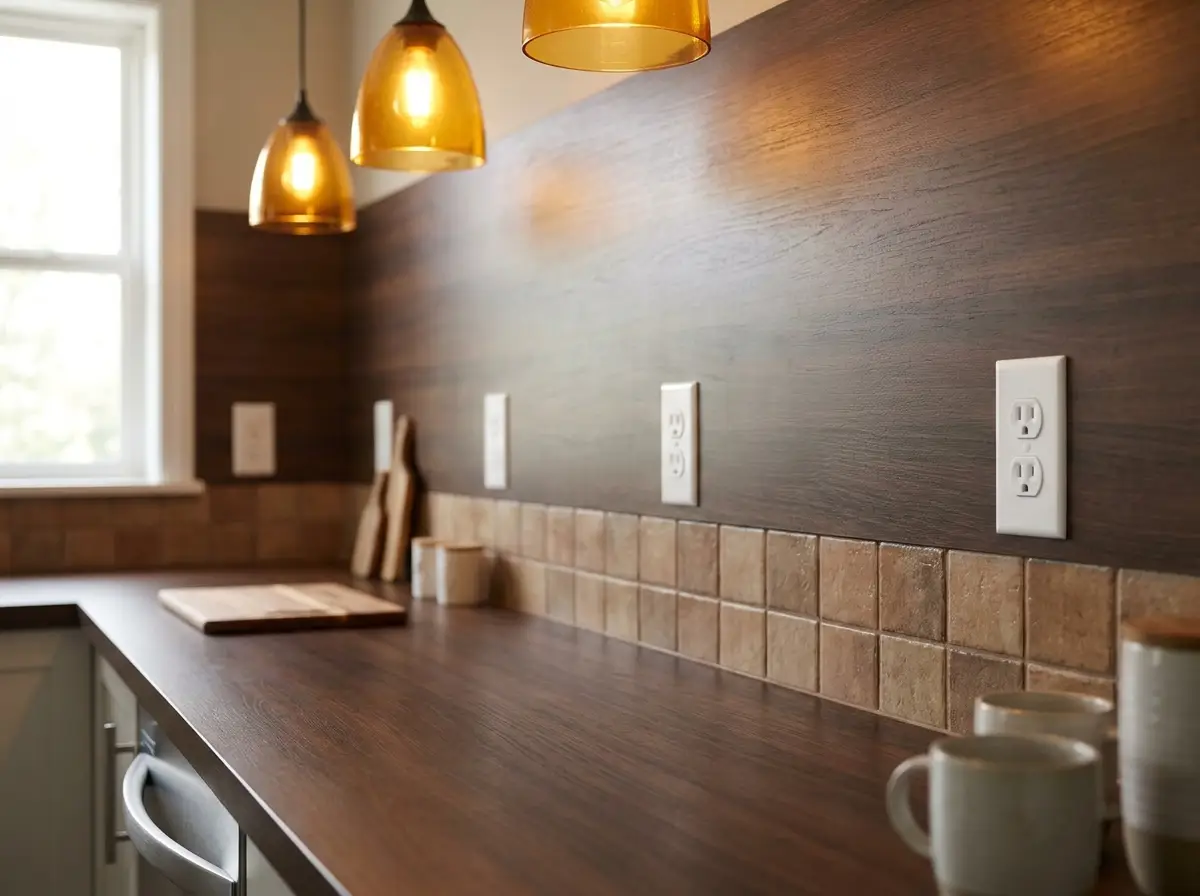
A modern kitchen needs far more than the one or two circuits older homes were built with. Current code requires a minimum of two dedicated 20-amp small-appliance branch circuits just for countertop receptacles, plus separate circuits for the major appliances:
- Two or more 20-amp small-appliance circuits for counter outlets (NEC 210.52(B))
- A dedicated circuit for the dishwasher
- A dedicated circuit for the garbage disposal
- A dedicated 20-amp circuit for the refrigerator
- A dedicated circuit for a built-in microwave
- A 240-volt, 50-amp circuit for an electric range
That's the floor, not the target. Most kitchens we wire end up with eight or more circuits once you count lighting, an island, and any specialty appliance. The two-circuit minimum for counters exists so a toaster and a coffee maker can run at once without tripping a breaker. This planning happens during design, alongside the cabinet layout, because the cabinet runs and appliance placement decide where the circuits land.
When a remodel triggers a panel upgrade
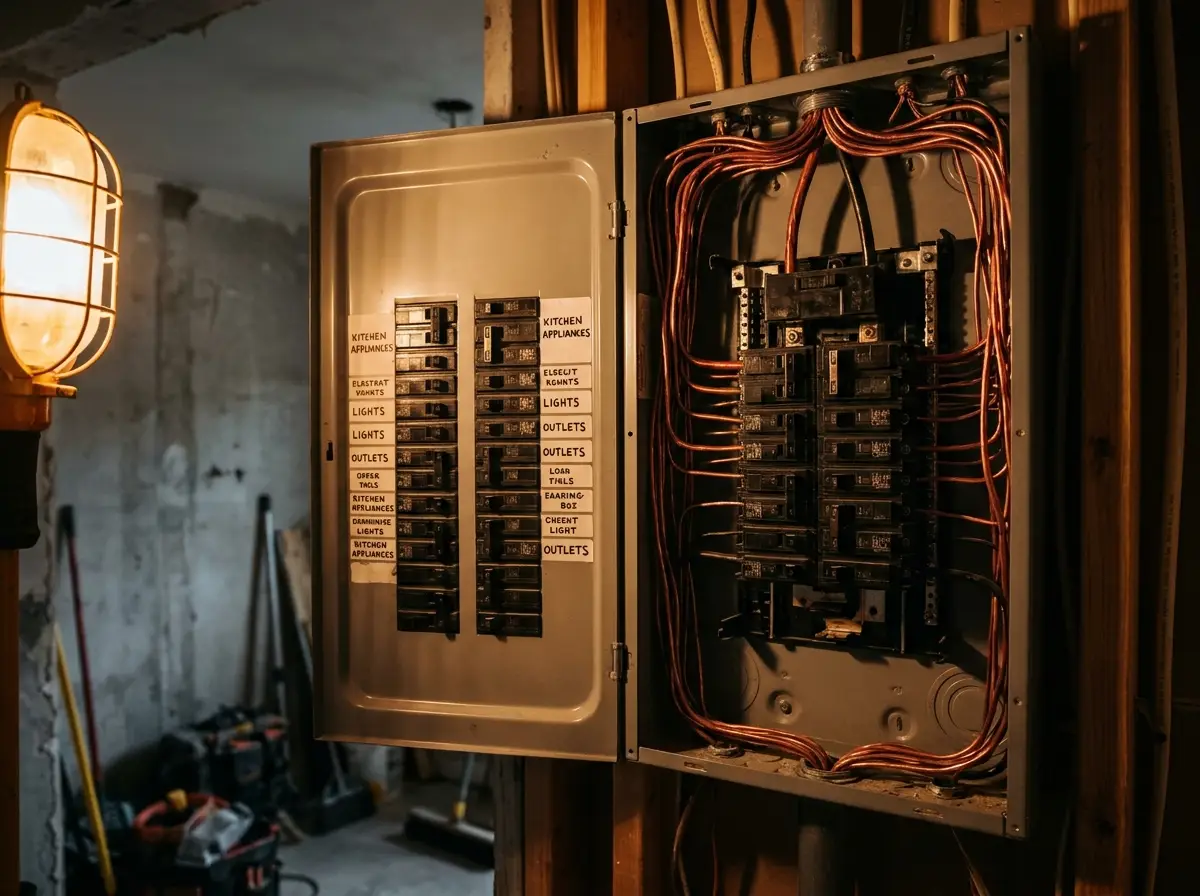
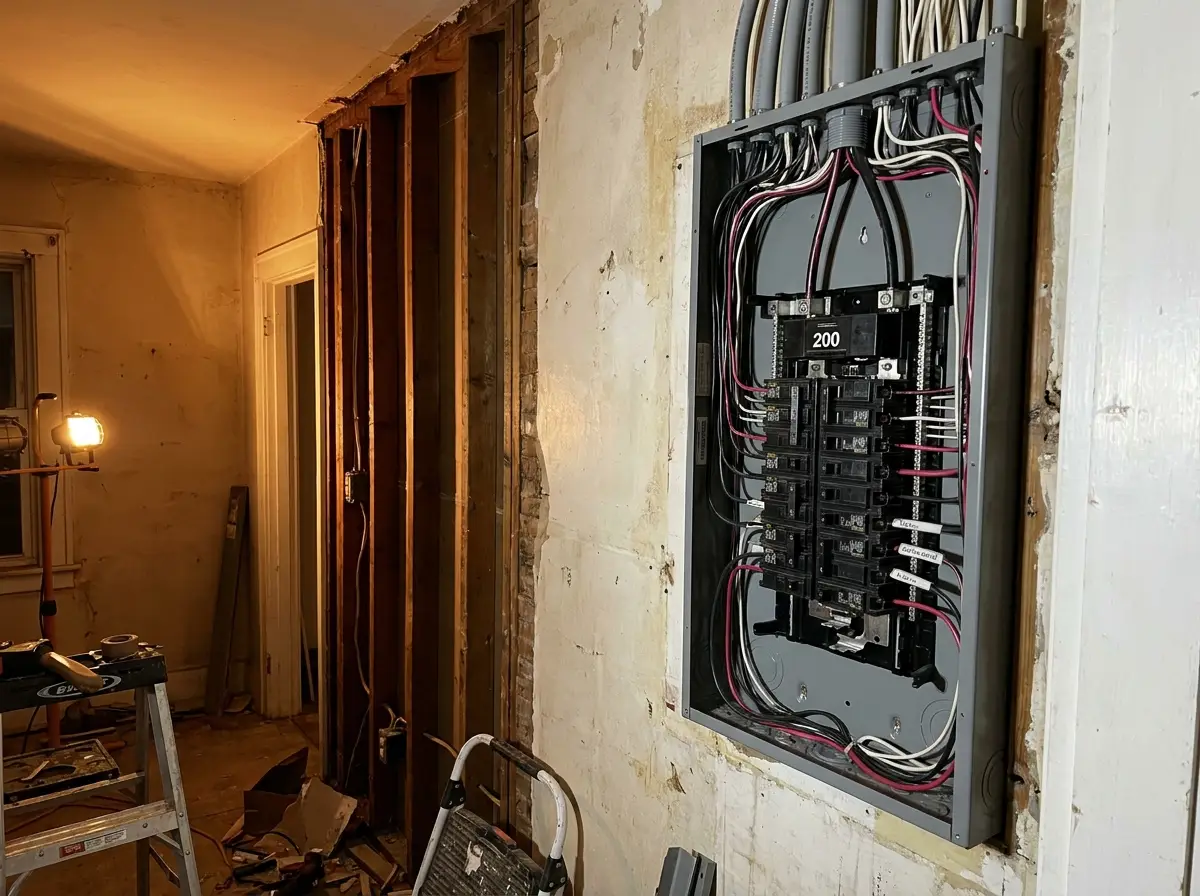
All those new circuits have to land somewhere — your electrical panel. A panel built for a 1970s or 1980s kitchen was sized for far less load than a modern one. When we add four or five new dedicated circuits and the panel is already full or near its amperage limit, the panel itself becomes part of the scope.
That usually means upgrading the service from 100 amps to 200 amps, which involves the utility, a new meter base in some cases, and an inspection of the service entrance. It's one of the larger swings in an electrical budget, which is why we flag panel capacity on the first site visit rather than discovering it mid-project. You can see how the pieces add up in the full kitchen tier pricing breakdown.
GFCI & AFCI requirements in Florida
Two kinds of protection are non-negotiable in a kitchen, and the 2023 code Florida has adopted made the rules stricter than most homeowners expect.
GFCIprotection cuts power in a fraction of a second when current strays where it shouldn't — through water or a person. The 2023 expansion of NEC 210.8(A)(6) removed the old "near the sink" limit: now every receptacle in the kitchen needs GFCI protection — fridge, dishwasher, disposal, microwave, even outlets behind cabinets. AFCI protection guards against arc faults, the intermittent sparking inside a wire that starts fires; NEC 210.12 requires it on the 15- and 20-amp 120-volt branch circuits.
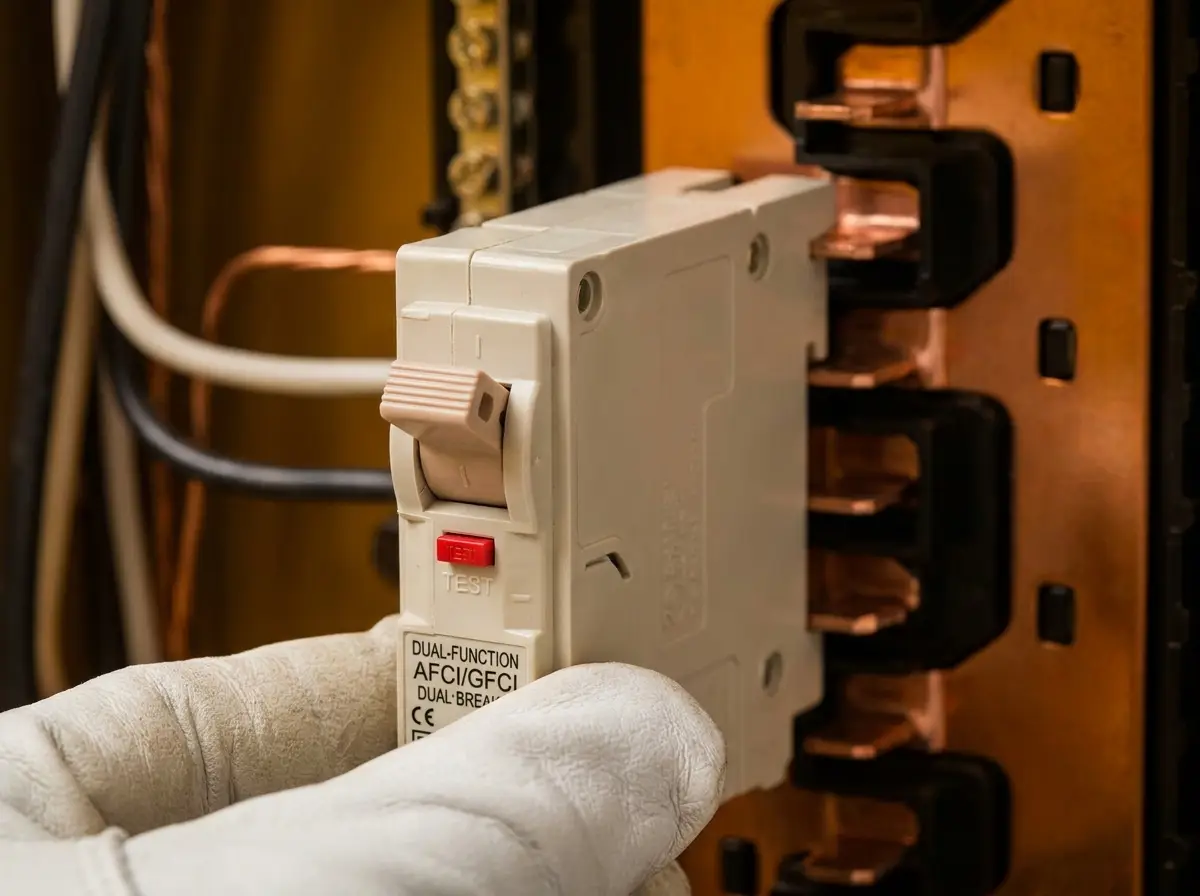
Because a kitchen circuit usually needs both, the clean solve is a dual-function AFCI/GFCI breaker at the panel. This is also the single most common spot where unpermitted DIY wiring fails inspection. The code reference is maintained by the National Fire Protection Association, which publishes the NEC.
Rough-in & where it fits the sequence
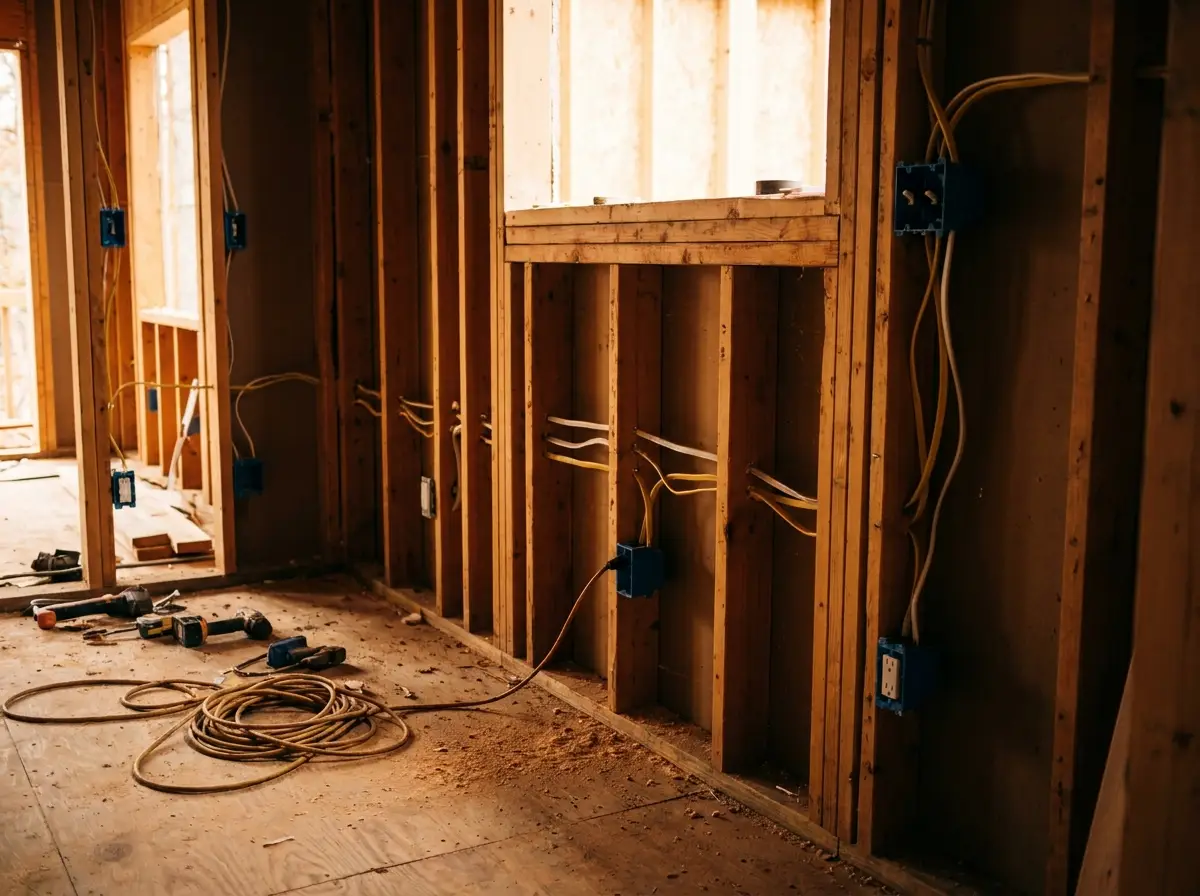
Electrical work happens in two passes, each with a fixed spot in the sequence. The rough-in — running wire before the walls close — comes after demolition and framing but before drywall, the only window when wall cavities are open and wire can be pulled cleanly. Add a circuit after drywall is up and the cost climbs, since the wire has to be fished through closed walls.
The trim-out comes later, after the lighting layout is set, the flooring is down, and counters are in — dimmers, switches, and final appliance connections, then the inspector signs off. For homeowners who want the code behind each step, the references at Mike Holt Enterprises break the NEC down trade by trade.
Why coastal Miami kitchens change the wiring
Wiring a kitchen in Miami-Dade, Broward, or Palm Beach County isn't the same job as wiring one in a dry inland climate. Salt air and year-round humidity change the material choices.
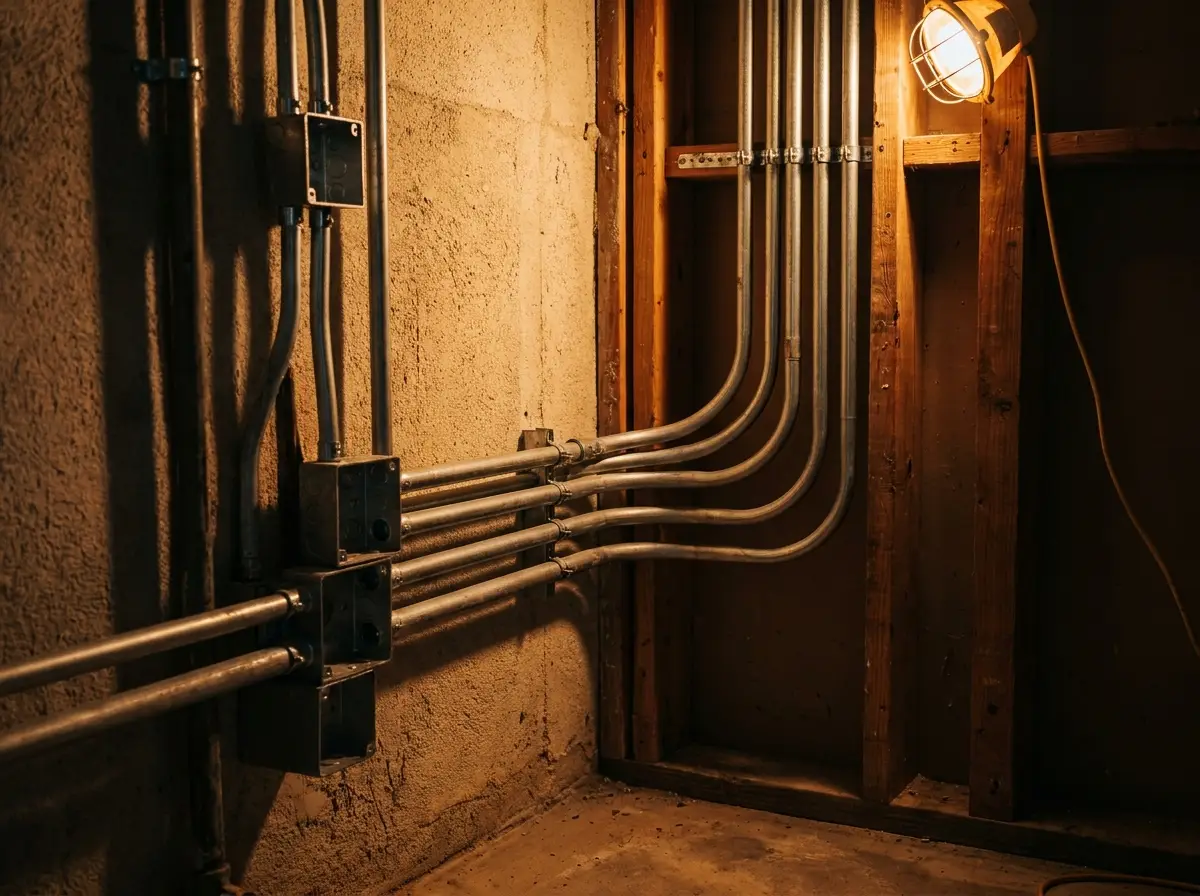
In damp or exposed runs, code and good practice push toward conduitrather than standard NM cable (Romex). Conduit protects the conductors and holds up better in a coastal environment where corrosion works faster. None of this shows in the finished kitchen, but it's the difference between electrical that lasts the life of the cabinets and electrical that gives trouble in a few years. The same coastal logic shapes the backsplash and tile substrate that sits in the same wet zone.