
Bathtub Reglazing
A fresh epoxy or polyurethane coating over your existing tub's surface — cheaper and faster than a full replacement, but only when the tub underneath is sound. This page walks through when reglazing works, when it doesn't, and what a licensed remodeler actually recommends for your bathroom.
Reglazing, replacement, and what Gaven actually does
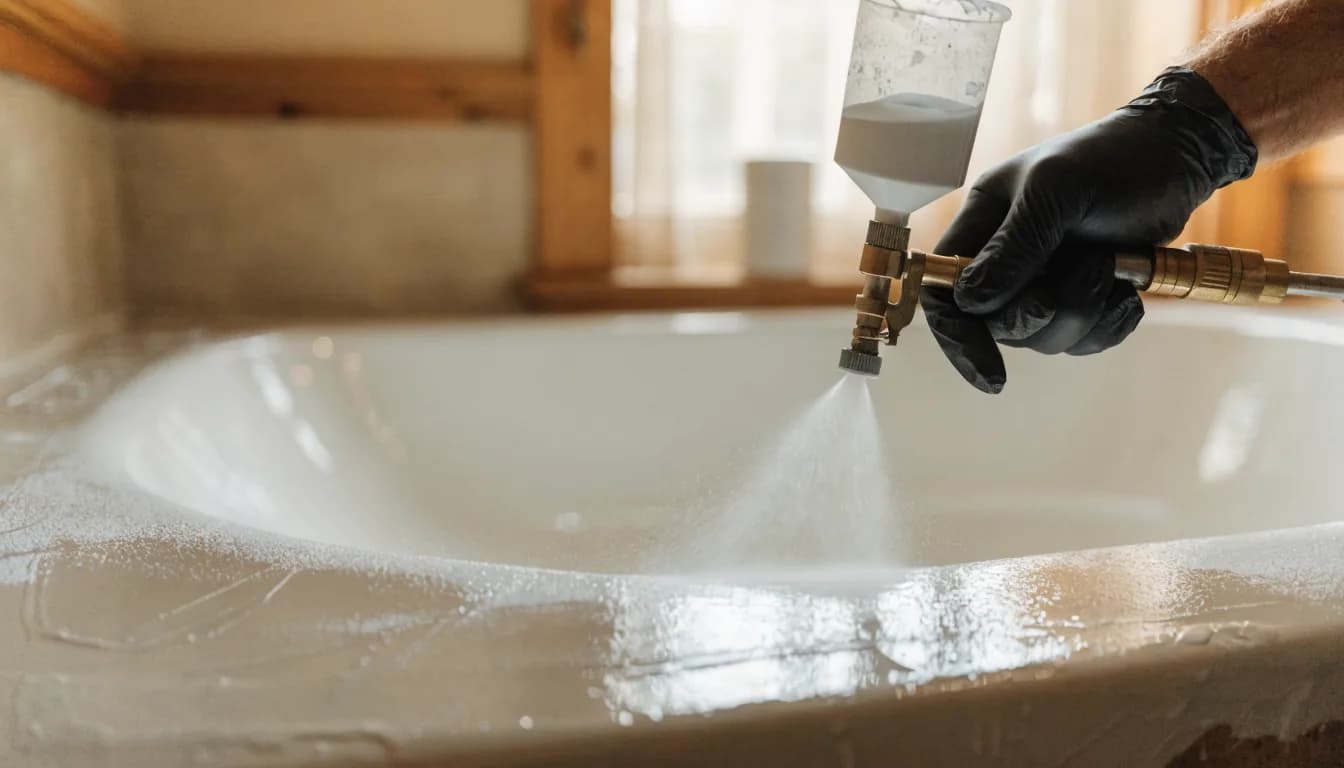
Bathtub reglazing — also called resurfacing or refinishing — strips the old finish and applies a new epoxy or polyurethane coating over the tub you already have. It's a real, established process, and for a sound tub it's a legitimate way to buy another decade of use without tearing anything out.
It's also not something Gaven installs as a standalone service. We're a full-service general contractor, and a specialist in-and-out in a day sits outside the kind of work a licensed GC is set up to run efficiently. What we do offer is the other half of this decision: a full bathtub replacement inside a bathroom remodel, for the tubs reglazing genuinely can't save. This page helps you tell the difference before you spend money on either one.
If reglazing is the right call for your tub, a dedicated refinishing specialist is the better fit. If the tub is past that point — cracked, soft, structurally compromised — request a bathroom remodel quote and we'll walk you through a full replacement.
Bathtub reglazing, by the spec
Is bathtub reglazing worth it?
It depends on the tub, not the price tag. Reglazing is worth it on a structurally sound tub with a worn or dated finish — no cracks, no soft spots, no rust through the metal. A professional coating holds up for years, at a fraction of replacement cost. It's not worth it when the tub has underlying damage, because reglazing only recoats the surface — it can't fix a leak, a soft floor underneath, or corrosion that's already eaten through. On a damaged tub, replacement is the honest recommendation, not another coating over a problem that's still there.
not structural
What bathtub reglazing actually involves
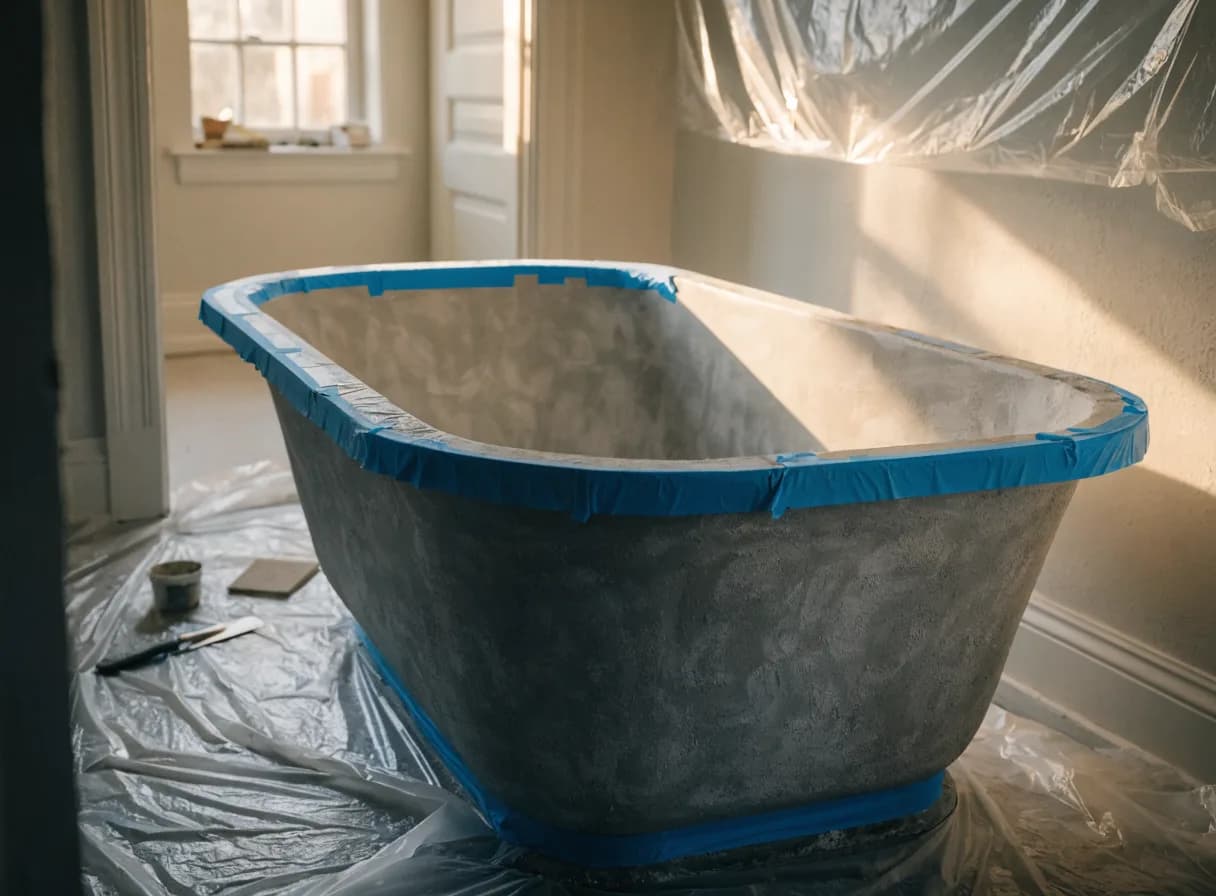
A reglazing crew strips the existing finish down to bare material, fills chips and small cracks, sands the surface smooth, and sprays on a new coating — usually a two-part epoxy or polyurethane system. The whole job typically runs a day or two, and the tub can't be used again until the coating fully cures.
That's the appeal: no demolition, no new plumbing connections, no tile disturbed around the tub. It's also the limit — reglazing changes what you see and touch, not what's underneath.
vs.
replacement
Reglazing vs. replacement — the honest comparison
| Reglazing | Replacement | |
|---|---|---|
| What it does | Recoats the existing tub's surface | Removes the old tub, installs a new one |
| Typical timeline | 1–2 days | Weeks, as part of a bathroom remodel |
| What it fixes | Cosmetic wear, dated color, minor chips | Structural damage, leaks, layout changes |
| Typical lifespan | Years, shorter than replacement | Decades, the longer-term fix |
Reglazing wins on speed and cost when the tub is sound. Replacement wins when the problem is anything reglazing can't touch — a crack through the material, a soft floor around the drain, corroded metal, or a tub type/size that needs to change. Replacement inside a full remodel also opens up the rest of the room instead of leaving everything else as-is around one recoated fixture.
fix what's
underneath
When reglazing isn't the right call
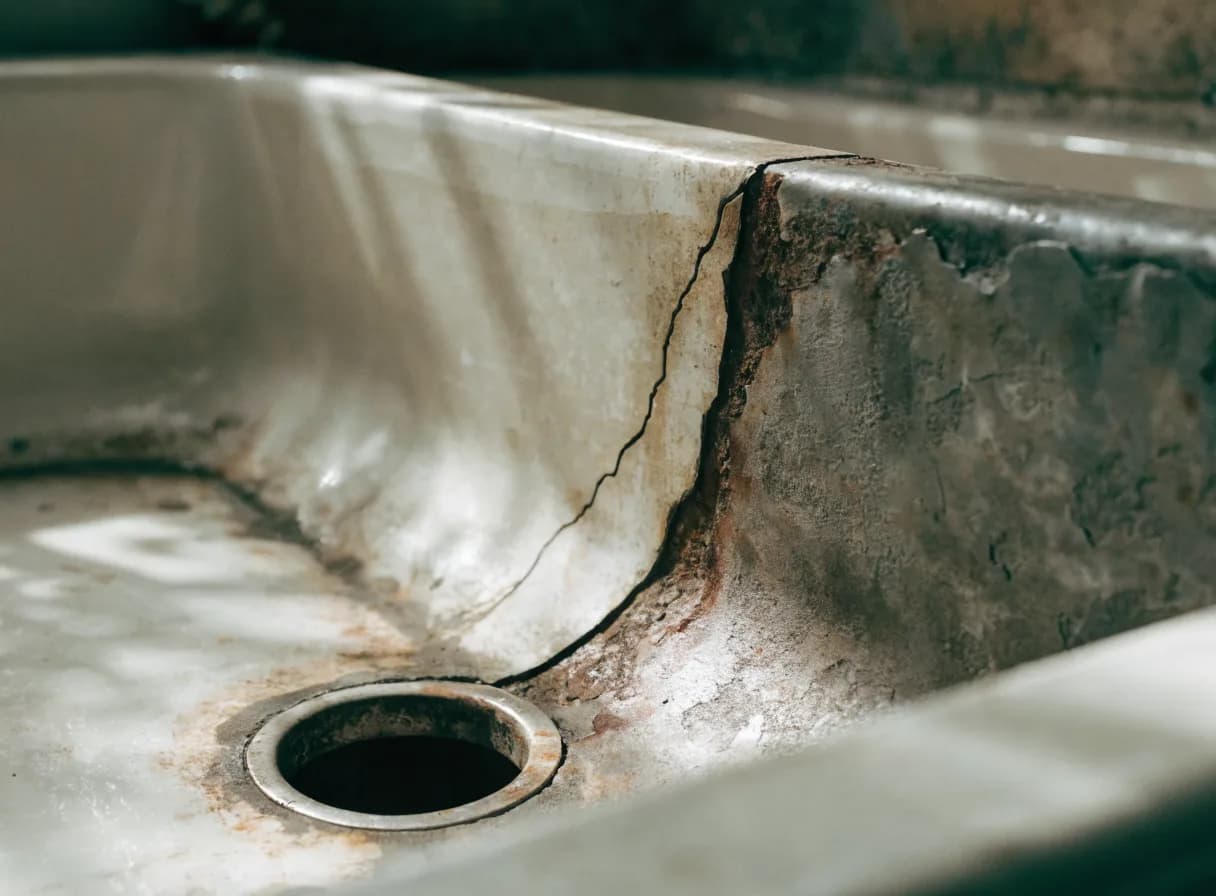
Reglazing is a surface fix. It cannot repair a cracked tub base, a leaking drain connection, a water-damaged subfloor, or a cast iron tub rusted through from the back side. A fresh coating over any of those doesn't solve them — it hides them until the coating fails at exactly that spot.
If a tub shows any of that — not just cosmetic wear, but a structural sign of trouble — replacement inside a bathroom remodel is the straightforward answer, and it's the point where a licensed general contractor is a better fit than a resurfacing specialist.
not a weekend
project
Why bathtub reglazing is contractor work
Bathtub reglazing coatings are typically epoxy or polyurethane systems, and the chemicals in them carry a real respiratory hazard during application. Per OSHA's isocyanates guidance, isocyanate exposure — common in polyurethane coatings — is linked to occupational asthma, other lung problems, and irritation of the eyes, nose, throat, and skin. That's why professional crews run ventilation and protective equipment, and why a DIY kit is a different risk profile than a licensed crew doing the same chemistry.
South Florida's humidity adds its own wrinkle: coatings cure slower in a closed, humid bathroom than the can's instructions assume, which is one more reason the ventilation step isn't optional here the way it might be in a drier climate.
Permits — where bathtub reglazing sits
Miami-Dade County exempts minor plumbing repair work performed by a licensed contractor from a permit when the value of materials and labor doesn't exceed $500. Bathtub reglazing jobs often fall in that range, but not always — a higher-end coating system or a larger tub can push a job past the threshold, at which point the same job that was exempt at $450 needs a permit at $650. It's a detail crews learn to check line by line rather than assume, because the exemption is measured in dollars, not in what kind of job it is.
Full bathtub replacement is a different animal. It's priced and permitted as part of the bathroom remodel scope under the Florida Building Code's plumbing provisions, not evaluated against a small-repair dollar threshold — one more way the two paths diverge once you're past the reglazing decision.
Questions homeowners ask
Does Gaven do bathtub reglazing?
No. Gaven installs and replaces bathtubs as part of a full bathroom remodel. For reglazing specifically — recoating a tub you're keeping — a dedicated refinishing specialist is the right contractor. This page exists to help you figure out which one you actually need.
Is bathtub reglazing worth it?
On a structurally sound tub with just a worn or dated finish, yes. Once there's a crack, a soft spot, or corrosion, no — the coating won't fix any of that, so replacement becomes the honest recommendation.
What's the difference between reglazing, resurfacing, and refinishing?
Same process, different names — stripping the old finish and applying a new epoxy or polyurethane coating. No technique difference, just regional and marketing variation.
How long does a tub last after reglazing?
A professional job holds up for years — well short of a new tub's lifespan, but a real stretch of use. DIY kits fail much sooner, since surface prep and coating quality are harder to get right without a crew's equipment.
Can a tub be reglazed more than once?
Generally yes, if each prior coating was properly stripped first. What it still can't do is fix a structural problem underneath — a second coating just buys a little more time before the same issue shows through again.
Is reglazing cheaper than replacing a bathtub?
Yes, by a wide margin up front. The trade-off is lifespan: reglazing buys years on the tub you have, replacement resets the clock.
Does bathtub reglazing require a permit in Miami-Dade?
Often not — minor plumbing repair by a licensed contractor is exempt under $500 in materials and labor. Above that, or if plumbing is touched, a permit applies.
Are you licensed to handle bathroom and bathtub work in Miami-Dade, Broward, and Palm Beach County?
Yes. Gaven is a Florida Certified General Contractor, license GCG1524886, verifiable at MyFloridaLicense.com — for the full remodel and replacement side of a bathroom project.