
Does a Renovation Raise Property Taxes in Miami?
Does a renovation raise property taxes in Miami: on a homesteaded house, yes, but only by the value the work adds. Florida assesses changes, additions and improvements at market value the first January 1 after they are substantially complete. The rest of the house keeps its Save Our Homes cap, because a renovation is not a change of ownership. From the second year on, the new work rises under the same cap as the house.
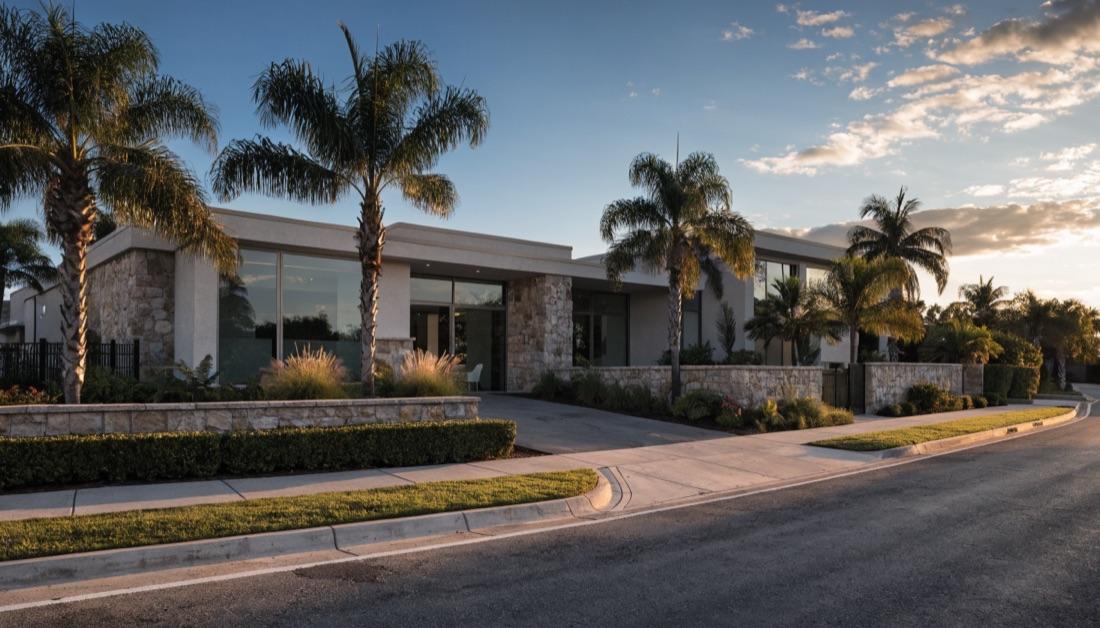
What Florida Law Adds After a Renovation
The rule is one paragraph of the homestead statute. Section 193.155 of the Florida Statutes says that changes, additions or improvements to homestead property are assessed at just value, which is market value, as of the first January 1 after the work is substantially completed. The same section caps the yearly change in a homestead's assessed value at 3% or the change in the Consumer Price Index, whichever is lower.
Those two parts work together. The house you already own keeps the assessed value it built up under the cap. The new work enters the roll at full market value, once. It does not drag the original house back up to market value with it. Only a change of ownership does that, and a renovation is not one.
Section 193.155 sets no minimum size or cost for this. What the appraiser adds is what the work added to market value, which is why a new bedroom and a cabinet swap rarely move the number the same way.
Condo owners should know one more line of the same section. When the association improves common areas in a way that directly benefits your unit, the statute splits that added value among the units that benefit, so part of it can reach your assessment.
Rebuilding After a Hurricane Works Differently
Storm repairs have their own paragraph, and it matters in Miami. When work replaces homestead property damaged or destroyed by misfortune or calamity, the same statute assesses it using the home's assessed value from the January 1 before the damage. That holds as long as the rebuilt home is no larger than 130% of its square footage before the storm, or no larger than 2,000 square feet in total.
Square footage beyond those limits is added at market value, the same way an addition would be. The protection covers work that starts within five years after the January 1 following the damage. So a family rebuilding a damaged wing can also enlarge it modestly without losing the old assessment on that part of the house.
How the Property Appraiser Finds the Work
In Miami-Dade, the work reaches the tax roll through the Property Appraiser, and a permit is one of the things that sends an inspector out. The office lists the reasons for a physical inspection: a sale, damage such as a hurricane or flood, permits for new construction or demolition, a five-year cycle, and the owner's own request. Most of those visits look only at the outside of the house.
Its Save Our Homes page states the timing in one line: new construction, alterations or improvements are not capped the first year they are placed on the tax roll, but are capped after that. In practice, the jump arrives with the first tax bill after the work is on the roll, and the years after it rise under the cap.
Plan the Tax Line With the Budget
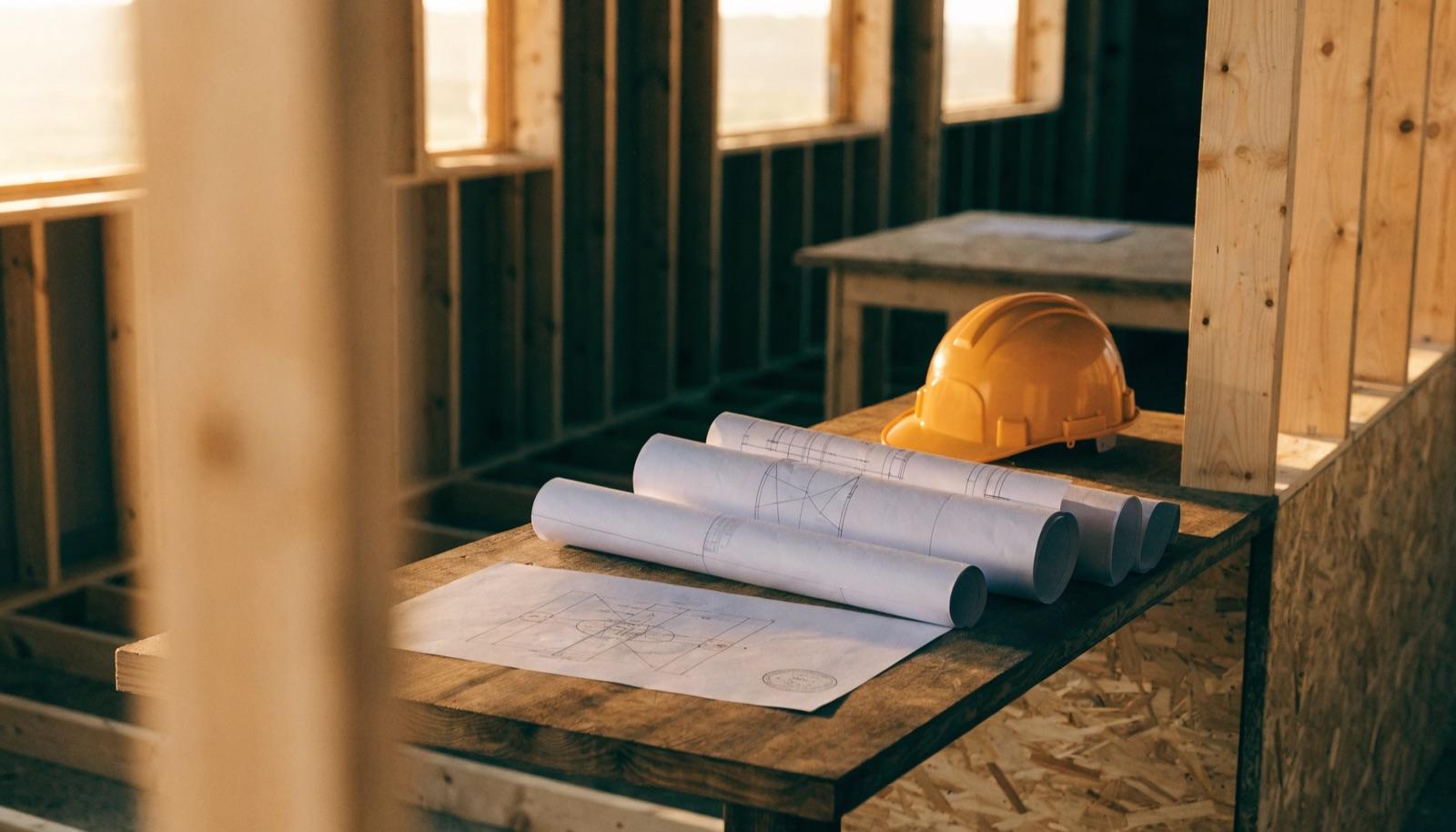
The tax question belongs in the planning, next to the construction cost, and the scope decides it. An addition puts new square footage on the record. A kitchen or bathroom inside the same walls adds no square footage, though the appraiser can still add the value it creates. A licensed general contractor can tell you, before anything is permitted, whether your drawings add area or stay inside the existing walls. We pull the permits on our work under Florida license CGC1524886, so the scope that goes on record is the one you approved. The easiest way to see the difference is to compare two versions of the plan side by side. Bring both to our office at 8200 NW 41st St, Suite 200-4, Doral, FL 33166, and we will go through them with you.
Frequently Asked Questions
Does a pool raise property taxes in Miami?
Usually, yes. A pool is an improvement to the property, and Section 193.155 assesses improvements at market value the first January 1 after they are substantially complete. The Property Appraiser names extra features as one reason two neighboring houses carry different values.
Do property taxes go up every year in Miami?
The assessment is redone every January 1, but on a homesteaded house the increase is capped at 3% or the change in the Consumer Price Index, whichever is lower. If market value falls below the assessed value, the assessment drops to market value instead.
How do you keep a renovation from resetting the whole assessment?
Keep the homestead exemption in place. The cap in Section 193.155 applies only to homesteaded property, and a change of ownership is what resets the house to market value. The renovation itself adds its own value once and then sits under the cap.
Before You Settle the Scope
If the project is still on paper, the scope is still yours to shape, and so is how much new area it puts on the record. Call (786) 397-8380, Monday through Friday from 7:00 AM to 10:00 PM, or stop by 8200 NW 41st St, Suite 200-4, Doral, FL 33166, and we will tell you what each option puts on the record before the permit is filed.
Last updated November 2026
Florida Certified General Contractor — CGC1524886