
Can You Live in a Miami Condo During a Renovation?
Can you live in a Miami condo during a renovation is usually a plumbing question, not a scope question. A kitchen gut is survivable in place; a single-bathroom gut is not, because a condo has no second fixture down the hall and no yard to put a temporary one in. The county's noise rule bans work only between 8 p.m. and 7 a.m., so the protected hours are narrower than most owners expect.
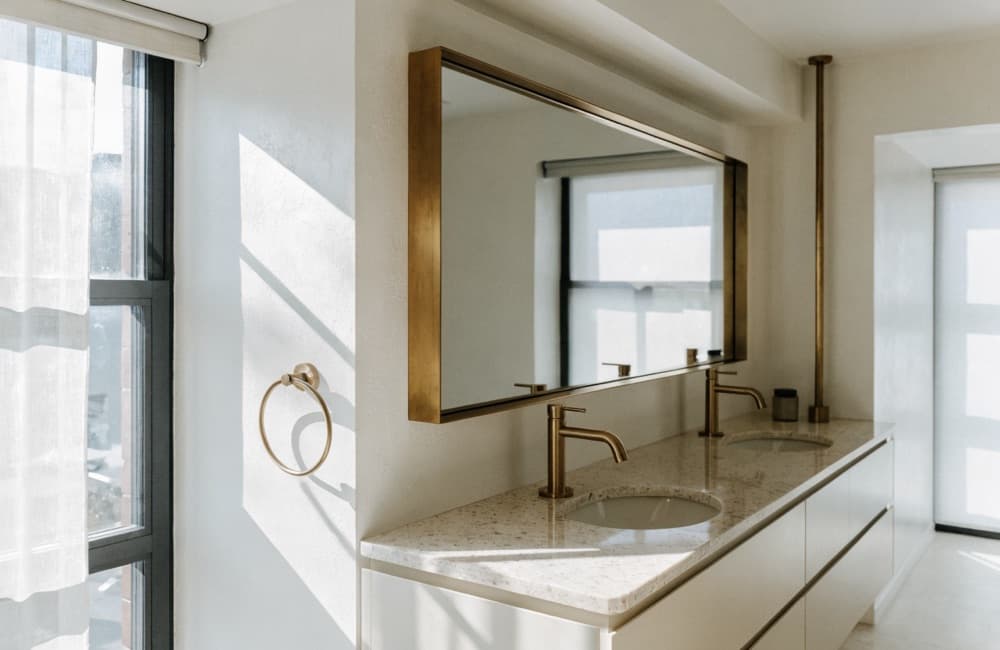
The Hours Are Wider Than You Think
Most owners assume a county noise ordinance protects their evenings and their weekends. In unincorporated Miami-Dade it protects the night, and that is the whole of it.
Miami-Dade amended Section 21-28 of the county code in May 2023 to prohibit the operation of noise-producing construction equipment and machinery at or near residences — including multi-family residences, which is the clause that puts your building inside it — between the hours of 8 p.m. and 7 a.m. That is the restriction as the county describes it: a night ban, leaving thirteen daytime hours in which a saw is legal above your ceiling.
A contractor who needs to work inside the banned window has to obtain a Temporary Noise Ordinance Waiver before starting. The waiver requires an active building permit, certified-mail notice to adjacent and adjoining properties at least 72 hours before the work begins, and a written explanation of the community need the work serves. It is not a formality, and it is not something a crew arranges on the morning of.
What actually compresses the working day in a condo is the building's own alteration agreement, not the county's ordinance.
Count the Bathrooms First
The single question that decides whether you stay is how many working bathrooms the unit will have on the worst day of the job.
A kitchen renovation is inconvenient. You lose a sink, a range and the counter for a stretch of weeks, and people manage it with a microwave on a folding table and a plan for dinner. Nothing about it makes the unit uninhabitable.
A bathroom renovation in a one-bathroom unit is a different category. There is no second fixture down the hall, no half-bath by the entry, and — unlike a house — nowhere to set a temporary one. Demolition day takes the toilet out, and it does not come back until waterproofing, tile and fixtures are set behind it. In a two-bathroom unit the same job is barely felt, because the work is sequenced so one bath stays live throughout.
Ask for that sequence before you decide, not after. A contractor who cannot tell you which weeks the toilet is out has not planned the job.

The Unit Is Not Private
Staying in the unit through the work means sharing it, and the sharing is broader than the crew.
Florida law gives the association standing access. Under § 718.111(5)(a), an association has the irrevocable right of access to each unit during reasonable hours when that access is necessary for the maintenance, repair or replacement of any common elements, or of any portion of a unit the association maintains under the declaration, or to prevent damage. The statute calls the right irrevocable, and it is written around the association's work rather than around yours — so in a building running a riser replacement, a window program or a recertification, the door opens on the building's schedule.
Inspections add their own visits. An inspector has to reach the work, which puts the unit open on a day the county picks rather than one you choose.
None of that is an argument for moving out. It is an argument for expecting the door to open more often than it would in a house, and for not treating a lived-in unit as somewhere the work can sit half-covered overnight.
Which Rules Are Actually Yours
Section 21-28 governs unincorporated Miami-Dade. The county publishes the restriction as applying to work at or near residences in unincorporated parts of the county, and says so plainly. If your building sits inside a municipality — Miami Beach, Coral Gables, Doral, the City of Miami — that 8-p.m.-to-7-a.m. line is not the one your contractor answers to, and the city writes its own.
Above whichever ordinance applies sits the alteration agreement, which is where the hours that actually govern a condo job usually live: a start time, an end time, and whatever it says about weekends. Read both documents, in that order, before planning anything around them.
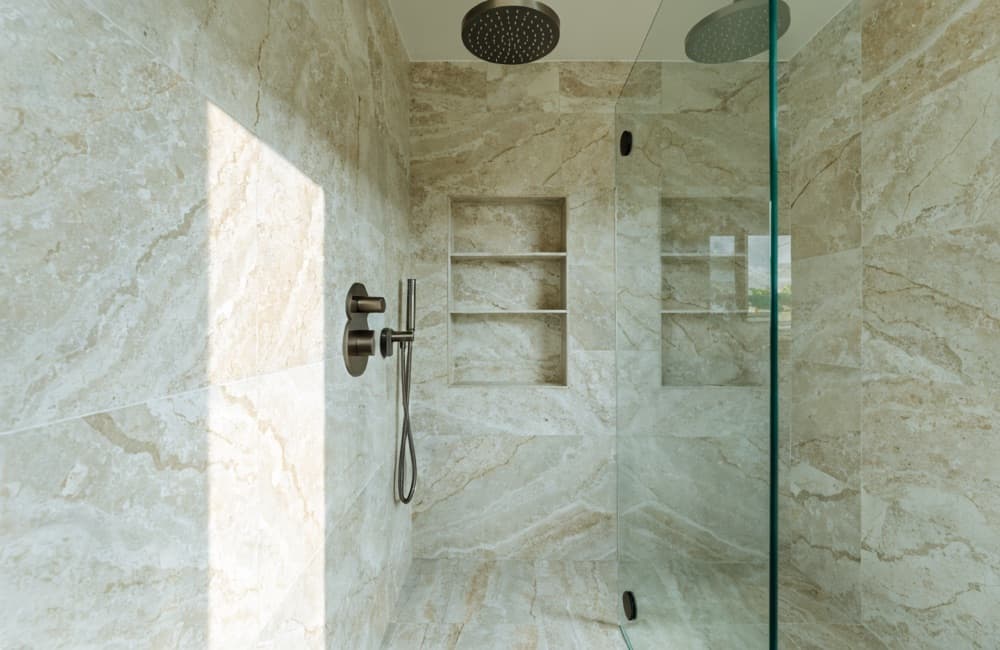
Planning Around an Occupied Unit
Sequencing a job so a household can stay in it is a decision made before demolition, not a courtesy added afterward. That is part of the routine behind Gaven Constructions' general contracting across Miami-Dade and Broward, operating under Florida license CGC1524886: full kitchen, bathroom and whole-home projects planned around which fixtures have to stay live and which weeks the unit is genuinely hard to occupy.
Frequently Asked Questions
Can the condo association make me move out during my own renovation?
Florida's condominium statute gives an association a right of access to units, not a power over who sleeps in one. What can restrict occupancy is the building's own alteration agreement and rules, which vary building to building and bind you as an owner. Read yours before assuming either answer.
Do I need to be home for the county inspections?
Someone has to let the inspector reach the work, and that is usually the contractor rather than the owner. What matters is that access is arranged for the scheduled day: a missed inspection gets rescheduled, not waived, and the permit clock keeps running while you wait.
Is staying in the unit cheaper than moving out?
The saving is the rent you do not pay. The cost is schedule. A crew working around an occupied unit builds containment each morning and takes it down each night, protects the routes the family uses, and cannot leave a room open overnight. That adds days.
Before You Decide to Stay
Ask for the demolition-day sequence and the number of working bathrooms in each week of the schedule. Call (786) 397-8380 and we will walk through your unit's layout and say plainly which weeks are livable and which ones are not.
Last updated September 2026
Florida Certified General Contractor — CGC1524886